


Why Eat Green Crabs?
European green crab (Carcinus maenas) is an invasive species native to regions of Western Europe and North Africa. They are commonly considered one of the “world’s worst invasive species” and their populations and range are expected to expand with climate change. Not only do green crabs consume a wide variety of shellfish and compete with native species, they also destroy vital seagrass habitats. Fortunately, green crab is also a sustainable seafood that is popping up on menus across the US. It can be served soft-shell, fermented, shucked for roe, or transformed into stocks and sauces, soups.
GreenCrab.org is a nonprofit organization with a two-clawed approach: building culinary markets for European green crab and spreading awareness of its invasive impact across the globe.


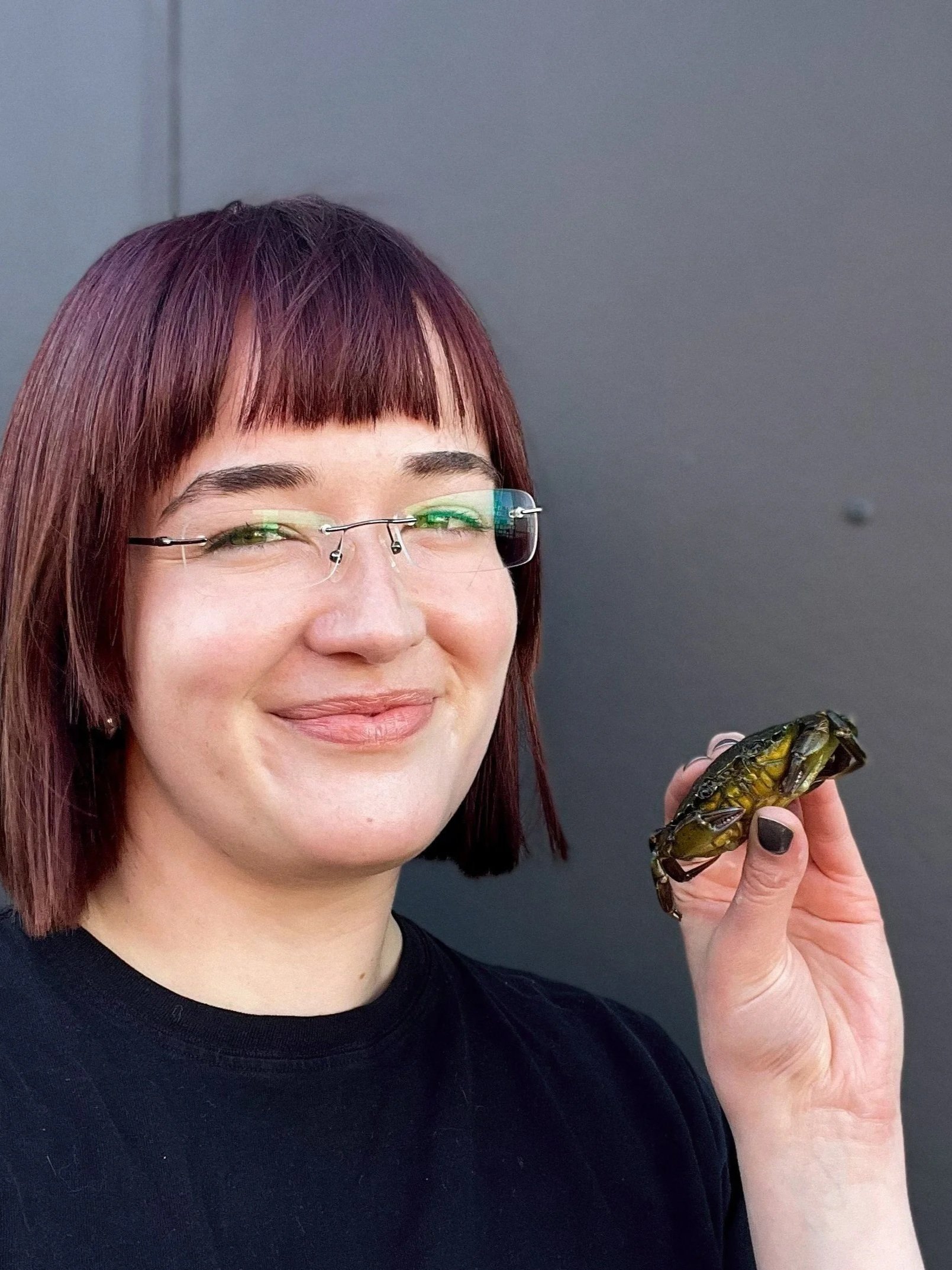
“Green crabs are one of the world’s most destructive invasive species that threaten valuable fisheries and vulnerable ecosystems. While we’ll likely never be able to eliminate green crabs, we see them as an abundant resource with untapped culinary potential.”
- Mary Parks, Executive Director & Founder
Problem to Plate
Our Work

-
We help build green crab supply chains. through partnerships with wholesalers, restaurants and harvesters with the goal of responsibly growing the fishery across North America.
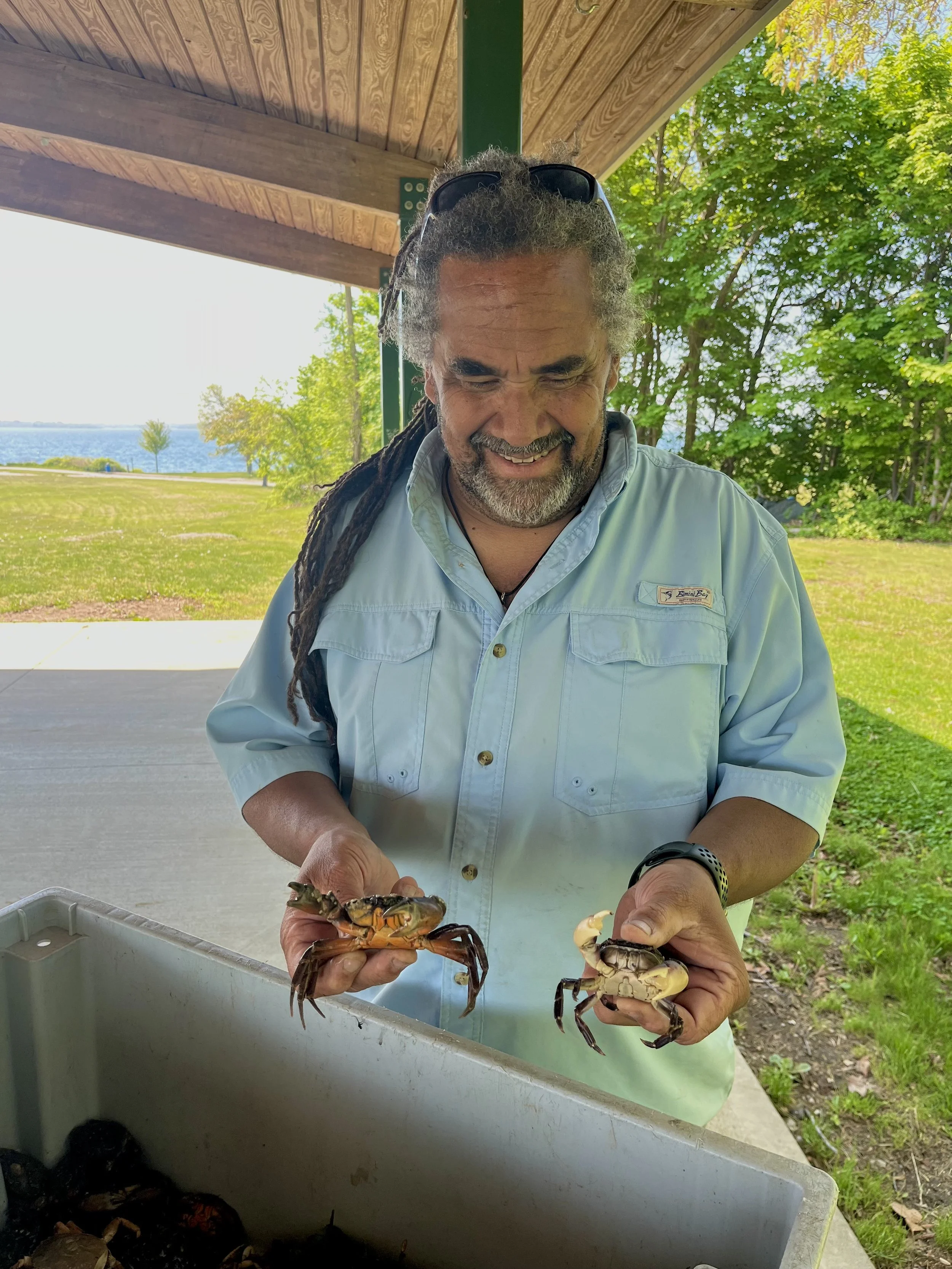
Pictured is Captain Jason Jarvis: Green Crabber, Board President of the North American Marine Alliance, and a Co-Founder of Quonochontaug Food Cooperative.

-
From wholesaler resources to culinary guides, to K-8 coloring books, our organization develops resources for those looking to learn more about green crab’s invasive impact and culinary potential
Pictured is Chef Youji Iwakura. Youji frequently features green crab on his menu at Washoku Renaissance and also serves on our board.

-
Check out our events page and blog to learn more about how we connect with wholesalers, harvesters, chefs, schools, and community members to get more people excited about eating green crabs.

Our Goals
Motivate the harvest and consumption of invasive green crabs
Collaborate with chefs, crabbers, and wholesalers to responsibly build out green crab supply chains
Create tailored resources for chefs looking to cook with green crabs, harvesters looking to trap them, and suppliers looking to source them
Share emerging science and research related to green crabs in an accessible way
Support green crab product producers




Team & Board
-
Mary grew up in Penobscot Bay and first learned about green crab's invasive impact from the surrounding lobstering and clamming community. She went on to study the invasive at Colby College, graduating with a dual degree in Biology and Environmental Science with a concentration in fisheries.
After working in traceability for a commercial fish wholesaler in Boston and learning more about bait markets for green crabs, she started asking what needed to be done to build a culinary market. In 2020 she went on to found GreenCrab.org: our nonprofit dedicated to building culinary markets for European green crab and spreading awareness of its invasive impact.
-
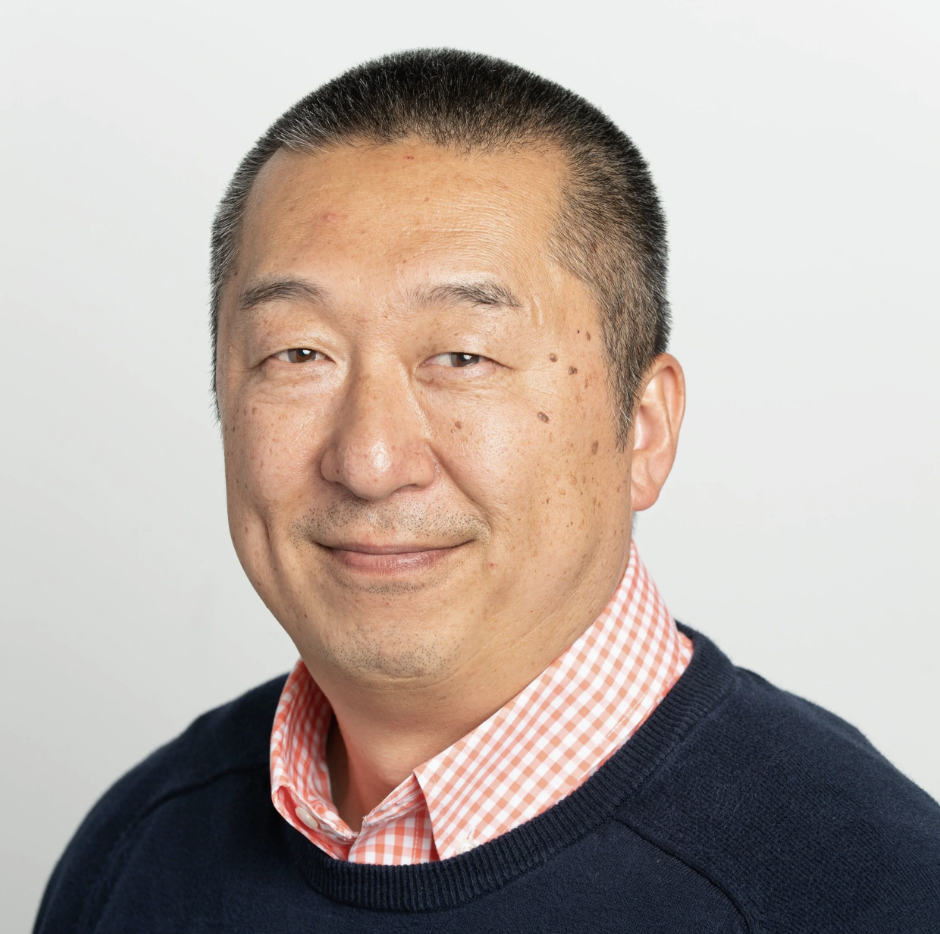
Tae Chong is a Multicultural Markets and Strategies Consultant at the Maine Chamber of Commerce, providing outreach to Maine businesses interested in hiring and retaining a diverse workforce and increasing sales and services to people of color. Tae specializes in market research and strategies with multicultural and BIPOC communities in Maine and the Northeast. His research with Sea Maine (Multicultural Market Analysis: Cambodian, Vietnamese Seafood) broke down the potential market for green crabs among Maine's Southeast Asian communities. This research has served as an important foundation in building out projects such as Khmer Maine's Salted Crab Project.

-
Megan Cronin is an artist and an arts administrator working in higher-ed fundraising. She recently completed a Graduate Certificate in Food Studies at Boston University’s Gastronomy program, researching a range of subject matter including invasive species, radical hospitality, and food activism.
Raised in Marblehead, MA, she has a deep love for the coastal environment of New England and seeks to bring her varied skills and interests to serve the mission of GreenCrab.org and expand its outreach.

-
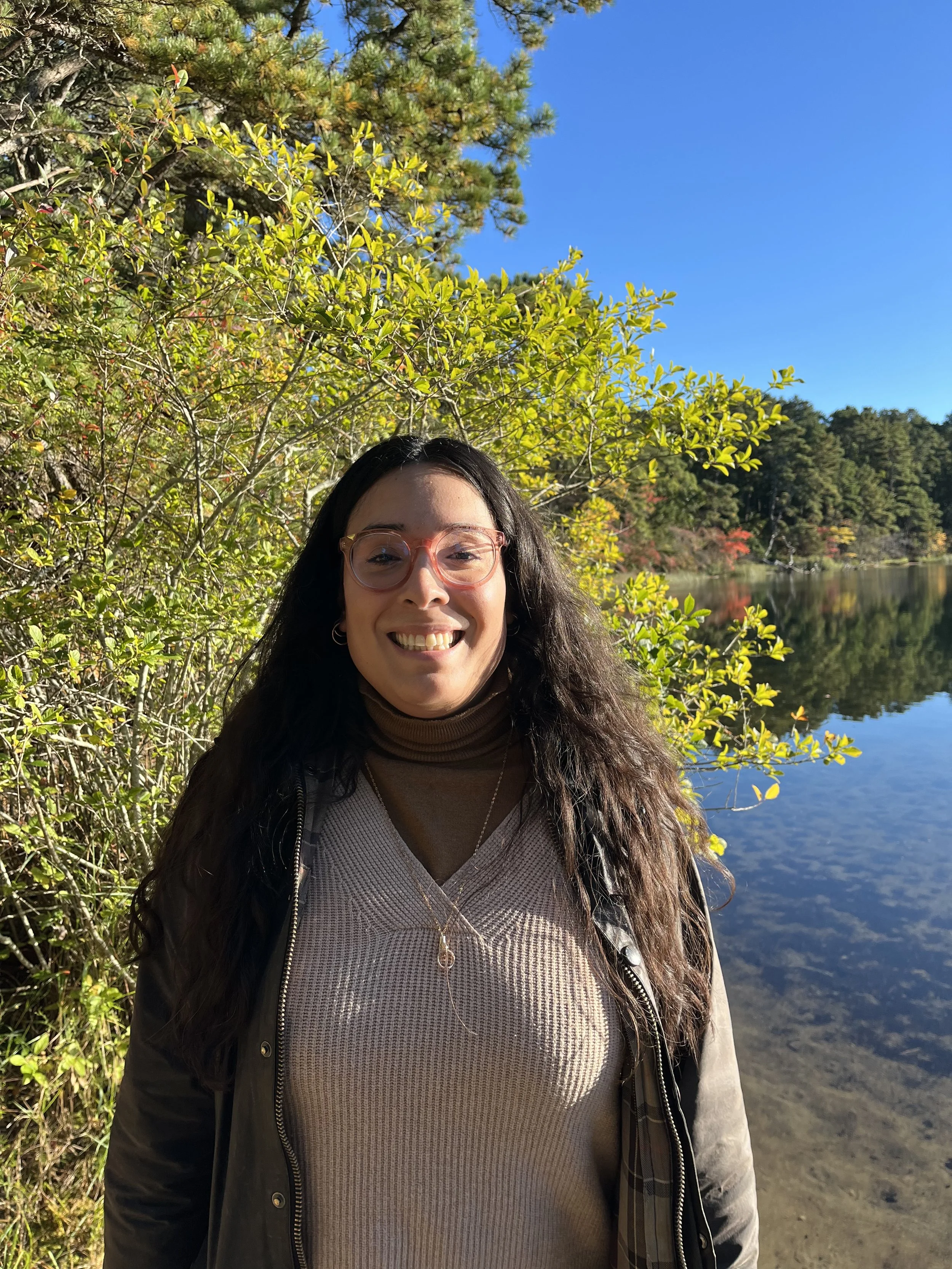
Patrick (also known as Shucker Paddy) is a GreenCrab.org Board Member, restaurateur, Oyster Master Guild Co-Founder, and the World’s Fastest Oyster Shucker. He first cooked with green crabs over a decade ago and is passionate about the impact of green crabs on the oyster industry and innovative solutions.
-
Ally holds a JD from Roger Williams University School of Law where she focused on administrative and coastal law. Her expertise in translation, regulatory interpretation, and legislative tracking from prior roles in the nonprofit, environmental law and academic world helps fuel her passion for the intersection between statutory analysis and access to regulatory materials for the Lusophone and Hispanophone communities.

-
Dan currently leads finance and business operations at Iterative Health, a healthcare technology company. At Iterative Health, Dan has helped develop financial strategy, build corporate culture, and led the successful effort to secure the company’s first medical device FDA clearance. Prior to Iterative Health, Dan helped to co-lead pharmaceutical investments within the private equity group at Barings, a $350+ billion AUM global investment manager. Dan holds an MBA from MIT Sloan and a BA from Dartmouth College.

-
Michael is a food writer and brand strategist who lives in Cambridge, MA. His articles, recipes, and interviews with characters from the food world have appeared regularly in the Boston Globe and Edible Boston. Michael holds a Master of Arts in Professional Writing from Carnegie Mellon University a Master’s of Liberal Arts in Gastronomy from Boston University. In addition to writing about food, Michael works as a brand strategist and writer who has worked with companies in many industries, including food and beverage, financial services, technology, and more. You can reach him by email at Michael.Floreak@gmail.com.
-
Jason Jarvis, a commercial fisherman based out of Westerly, Rhode Island who has been harvesting green crabs for 10+ years. Jason serves on the Rhode Island Marine Fisheries Council and as Board President of the Northwest Atlantic Marine Alliance. Jason is also co-owner of Quonochontaug Fish Company. Jason has collaborated with GreenCrab.org on youth outreach and Crab Class.

-
Alisha is a founding board member of GreenCrab.org and hails from the North Shore: a region deeply impacted by invasive green crabs. She works for Wulf’s Fish: the first wholesaler to regularly offer green crabs delivered directly to consumers and restaurants. Learn more about Wulf’s work with green crabs here.

-
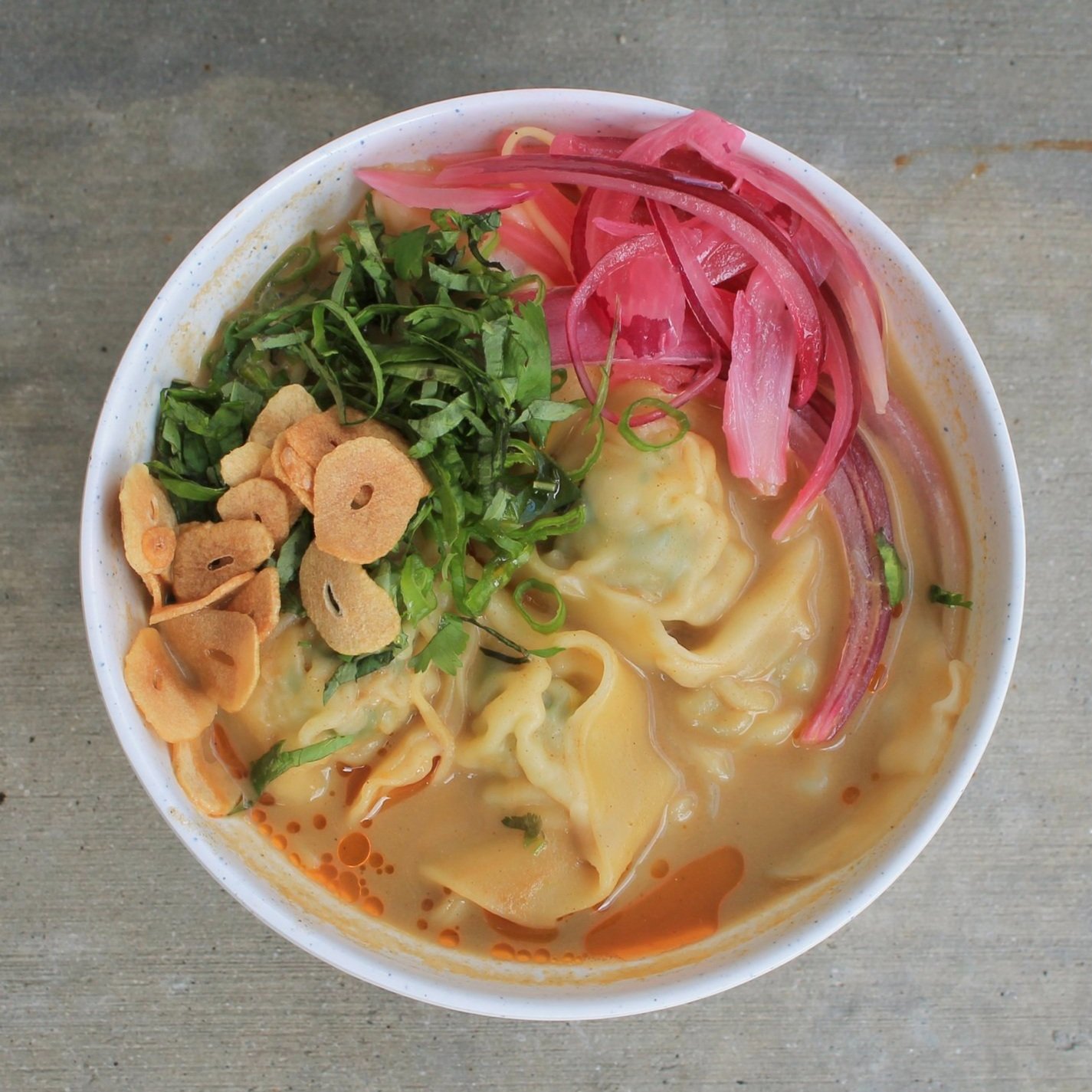
Board Member, Chef & Owner of Washoku Renaissance, and Recipe Developer Youji Iwakura has been cooking with green crabs since 2022. He’s been working alongside St. Ours company to develop recipes with their green crab broth and regularly features the invasive on his menu. Check out his recipe for green crab broth and ramen here.
-
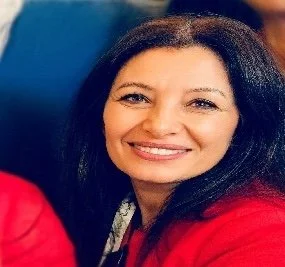
Dr. Gulsun Akdemir Evrendilek earned her M.Sc. and Ph.D. degrees from The Ohio State University in Columbus, Ohio, USA. Following completion of her doctoral training, she held faculty appointments at multiple academic institutions and is currently an Associate Extension
Professor and Seafood Technology and Food Safety Specialist at the University of Maine. Her research program focuses on food safety, quality assurance, and the application of innovative processing technologies to improve both microbial safety and functional quality of foods. She specializes in novel nonthermal processing technologies, including pulsed electric fields (PEF), high-pressure processing (HPP), ozone, and ultraviolet (UV) light, with particular emphasis on achieving microbial inactivation while preserving nutritional and sensory quality. A key component of her work is understanding how these technologies influence bioactive compounds, such as antioxidants, antimicrobial molecules, and other health-promoting constituents, by enhancing their stability, bioaccessibility, and potential health benefits.
Dr. Akdemir Evrendilek also conducts research in process and product development, biosensor technologies, and rapid detection and analytical platforms for monitoring foodborne pathogens and environmental contaminants, including per- and polyfluoroalkyl substances (PFAS) in seafood. Her broader research interests include food waste valorization, bioactive and intelligent packaging, and the development of novel functional materials that contribute to improved food quality, extended shelf life, and enhanced product performance.
In addition to her research activities, Dr. Akdemir Evrendilek plays a significant role in extension education and workforce development. She delivers Seafood HACCP, Meat and Poultry HACCP, and Food Sanitation training programs to food industry professionals, regulatory agencies, and academic trainees. She also leads microcredential-based workforce development initiatives designed to strengthen food safety capacity across Maine and beyond. She is a certified instructor for the Food Safety Preventive Controls Alliance (FSPCA) for Preventive Controls for Human Food (Version 2.0), providing FDA-recognized training aligned with FSMA requirements.

-
Based in Mystic, Connecticut, Kathleen has an extensive background in food and wine. She’s a certified sommelier through The Sommelier Society of America, has led wine programs at the nation’s top restaurants, and is currently a partner behind James Beard Award-winning restaurant The Shipwright’s Daughter. She’s also won multiple Wine Spectator Awards and works alongside business and life partner Chef David Standridge to educate diners and chefs on sustainable ingredients, including green crab. Learn more about our work with Kathleen and how The Shipwright’s Daughter processes up to 100 pounds of green crab a week in this FAQ.

Connecting green crab harvesters, providing free educational opportunities, and increasing harvester participation in the green crab fishery
Increasing chef participation in the fishery through networking events, free classes, and free consultations
Press
New York Times Magazine: Invasive Crabs Have Taken Over New England. One Solution? Eat Them.
Boston Globe: Green crabs are invasive. Lucky for us, they are also delicious
Business Insider: The True Cost of the Green Crab Invasion
WBUR: Green crabs are taking over New England shores. One solution? Drink them.
Modern Farmer: Building a Market for Invasive Species
The Conch Podcast: Mary Parks of GreenCrab.org
Food & Wine: Where to Taste New England's Wave of Eco-Friendly Seafood
CT Examiner: From Problem to Plate — Green Crabs are on the Menu
CT Insider: Restaurants in Connecticut are putting an invasive species on the menu as part of Green Crab Week
Bangor Daily News: Green crabs are a staple on this Belfast restaurant’s menu
Boston Globe: Top chefs are serving up green crabs and tackling other issues through food
Past Events & Programs
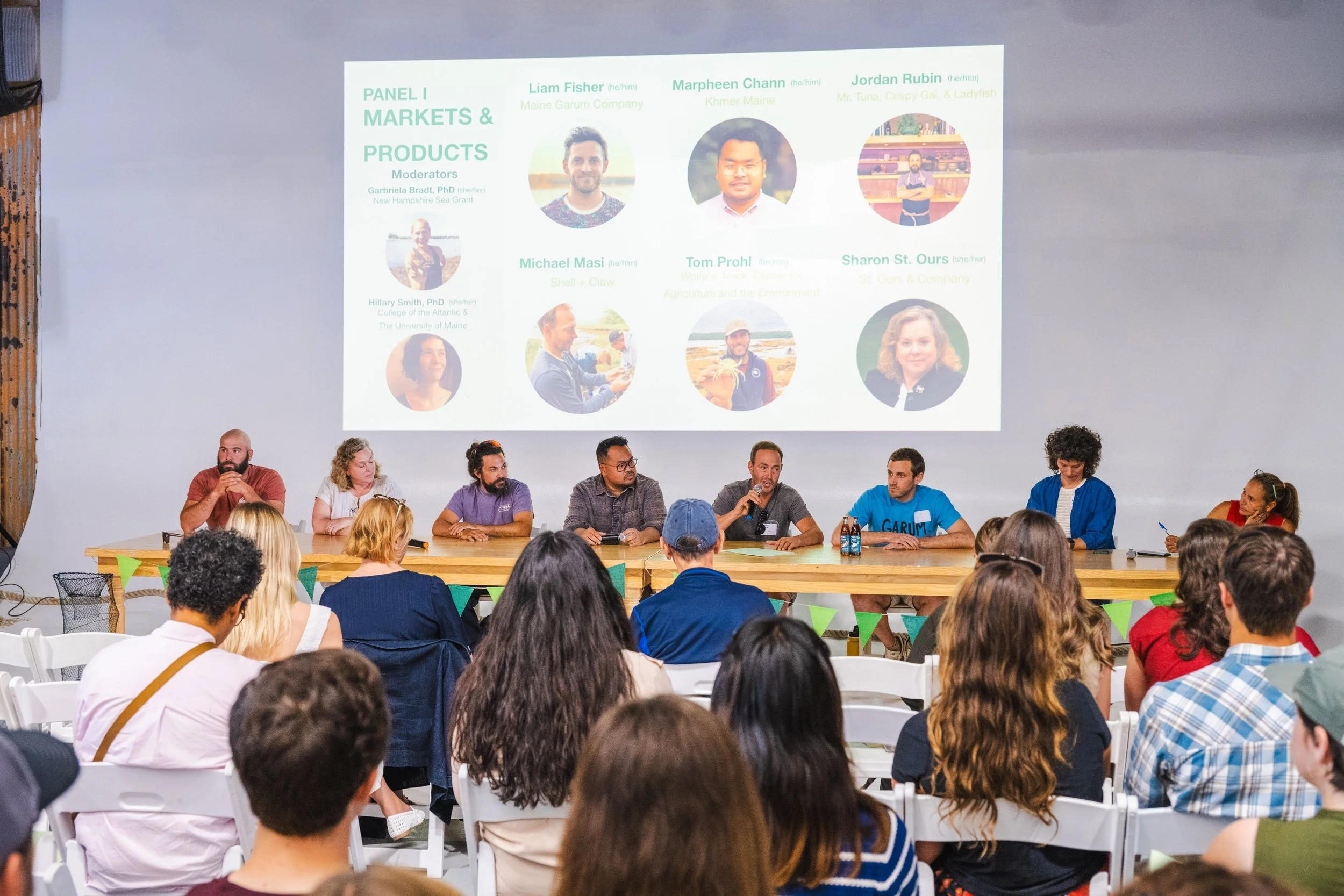
The Green Crab Working Summit
This summit brought together 138 harvesters, chefs, researchers, and orgs working with green crab to Portland Maine during Green Crab Week 2026. Photo by Tim Briggs.
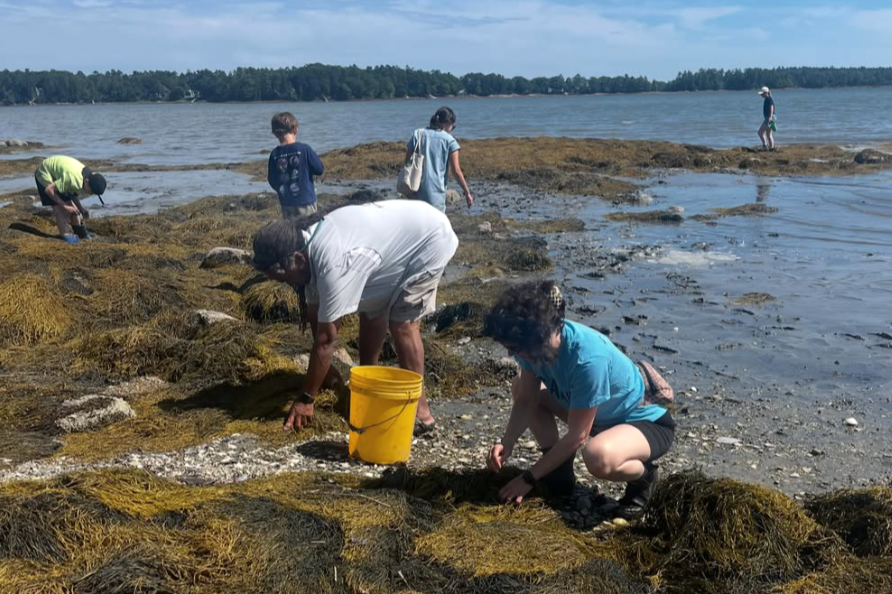
Green Crab Derby
GreenCrab.org and Wolfe’s Neck Center for Agriculture and the Environment hosted a free derby to see who could catch the most crabs during Green Crab Week 2026!

Green Crab Week 2025
70 restaurants and fish markets across the US served green crabs from June 20th - 29th 2025. Pictured from Gift Horse (Providence, RI)

On the Menu
Our ongoing series highlights how chefs across the US are cooking with green crabs
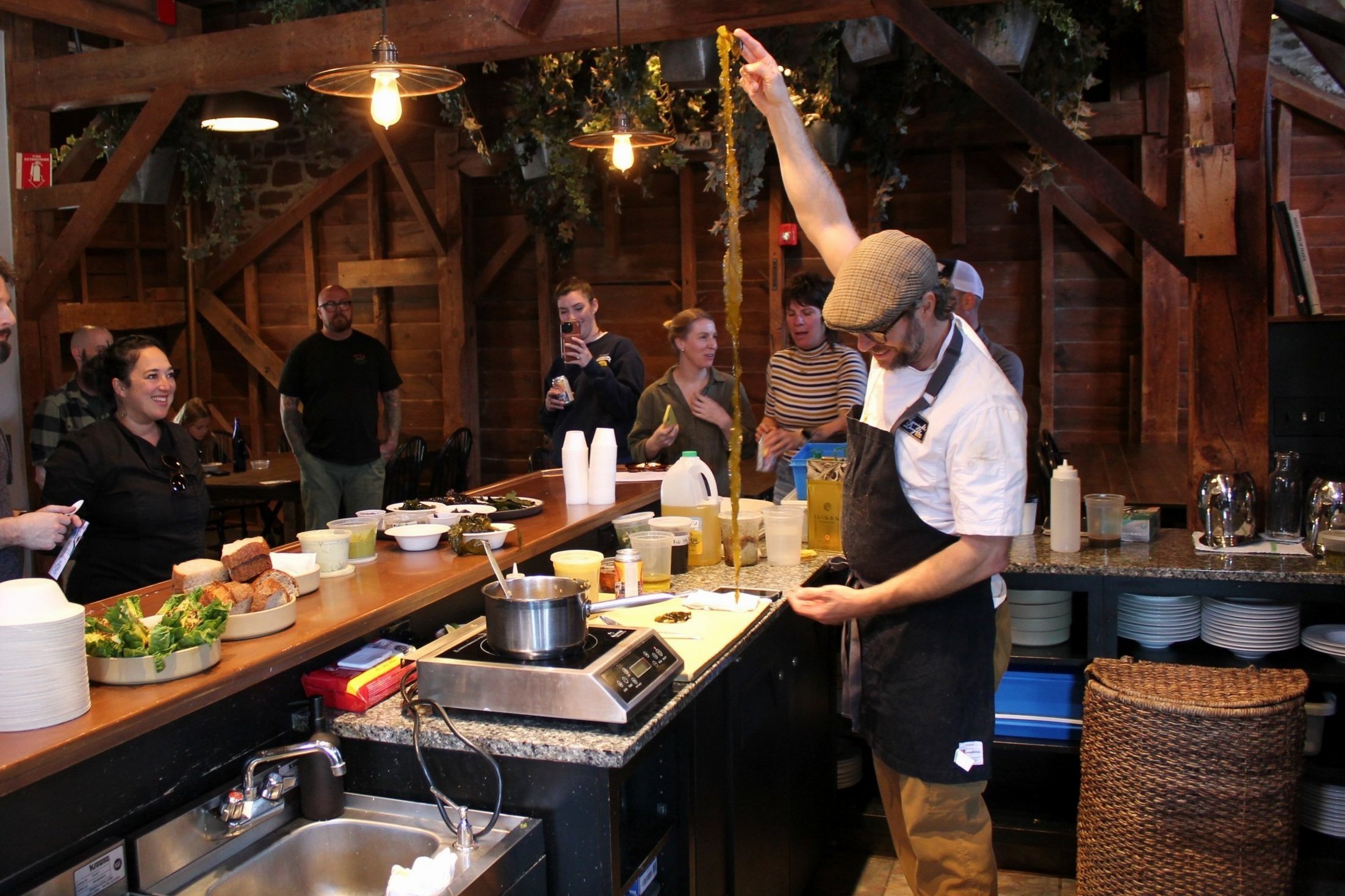
Chef Masterclass
James Beard Award Winner Chef David Standridge of The Shipwright’s Daughter taught chefs how to cook with green crabs, kelp, and whole fish at Millwright’s Restaurant

Pagu Roundtable
5 chefs from across the country gathered for Pagu’s first Roundtable, the first of a new series that featured dishes with Wulf’s Fish green crabs and Atlantic Sea Farms Kelp

Green Crabs X James Beard Platform
James Beard Award-Winner David Standridge’s October dinner featured green crabs in every dish

Cooking Class @ Powisett Farm
Chef Thi Bowles of Powisett and Mary Parks of GreenCrab.org shucked green crab and led a cooking demo

Farm to Institution
We chatted with attendees and hosted a presentation at Farm to Institution, discussing how to use green crabs in an institutional setting

Green Crab Derby
Hosted Wolfe's Neck Center in collaboration with a composting demonstration

Cooking with Green Crabs
We teamed up with Eating with the Ecosystem to host free tastings and culinary demos with Boston-based chefs on Revere Beach

Green Crabs at the Beach
Throughout summer 2021, we hosted interactive pop-ups with green crab art and coloring books through Save the Harbor/ Save the Bay’s Better Beaches Grant

GreenCrab.org X Khmer Maine
In April 2022, we worked with the Maine State Chamber of Commerce and Khmer Maine to distribute free green crabs

Shuck at Home
During the summer of 2020, we hosted cooking workshops, developed recipes, and gave away free green crabs in partnership with the Mass Department of Marine Fisheries