
Green Crab Learning Hub
Resources and Activities for Youth and Educators
What’s a Green Crab?
GreenCrab.org’s Resource Guide breaks down the basics of how to identify, trap, and cook green crab while highlighting the crab’s ecological impact. This guide has been translated into Spanish, Haitian Creole, Portuguese, and Khmer.
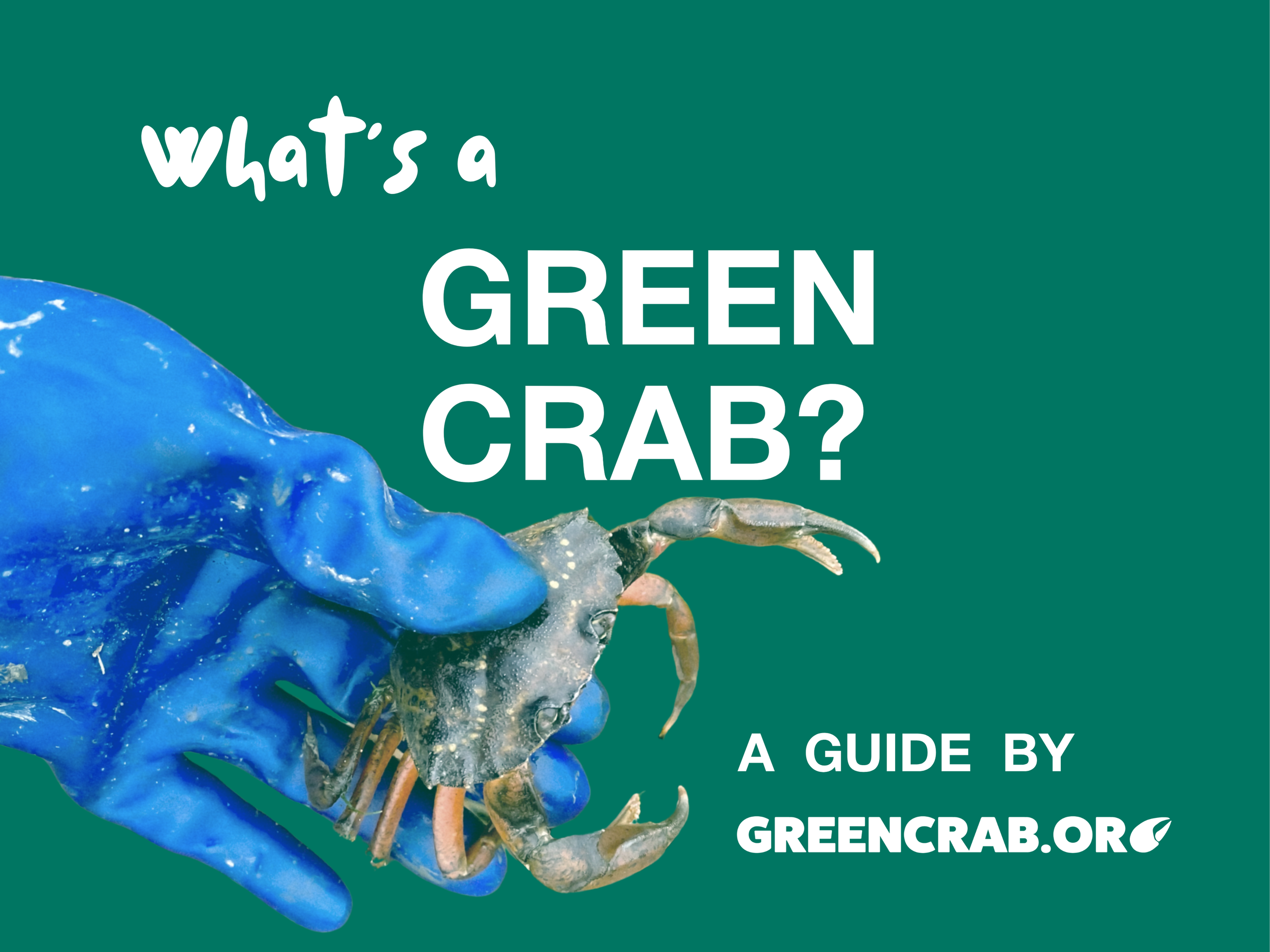
This guide was created in collaboration with Movement Education Outdoors, Khmer Maine, and Captain Jason Jarvis with support from the Narragansett Bay Estuary Program. This guide has been translated into Spanish, Portuguese, Khmer, and Haitian Creole by Bunly Uy, Ally Arguello, and MIR Associates.
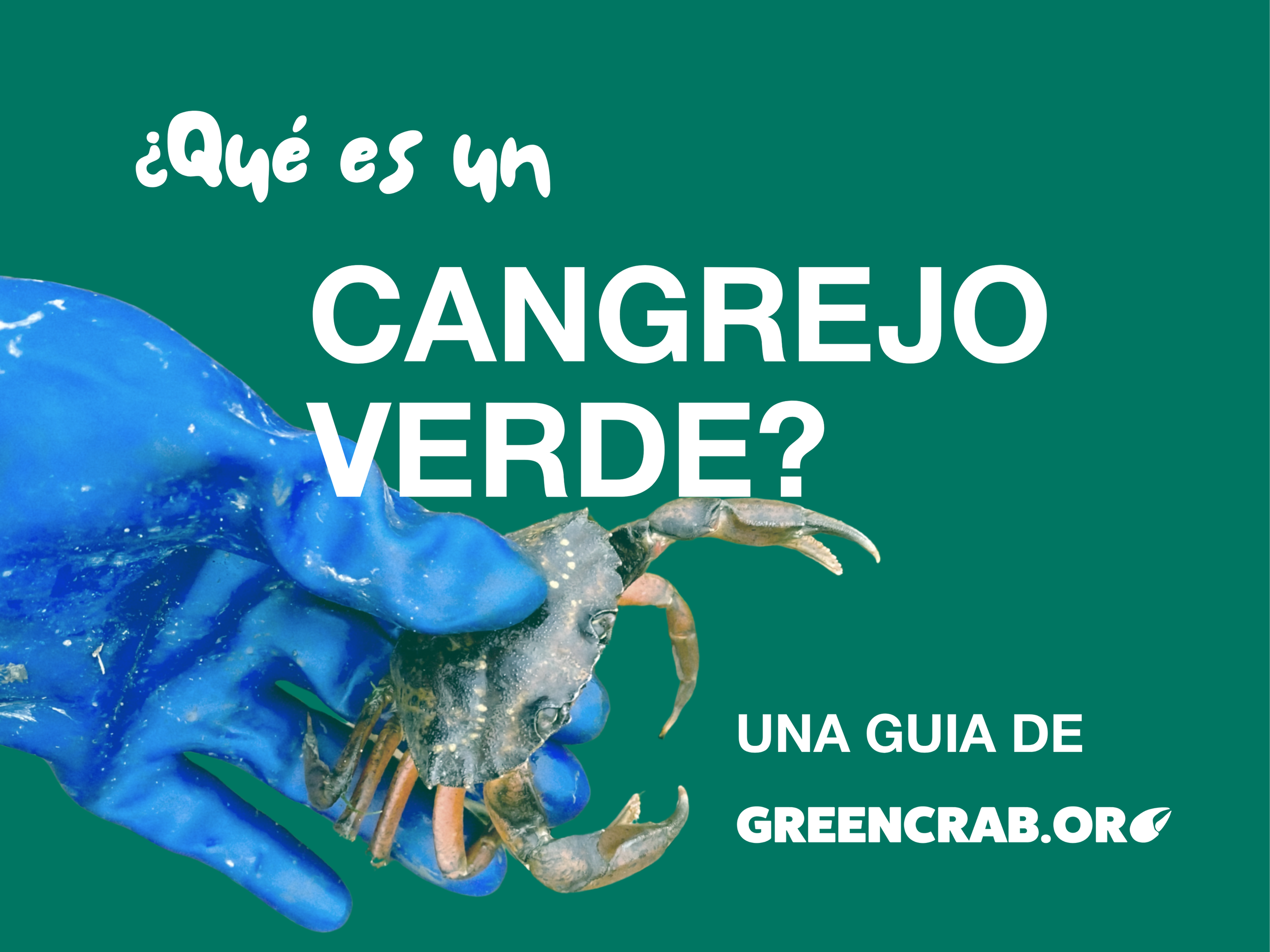
Hecho en colaboración con Movement Education Outdoors, Capitán Jason Jarvis, y Khmer Maine con apoyo del Narragansett Bay Estuary Program. Traducido por Ally Arguello.
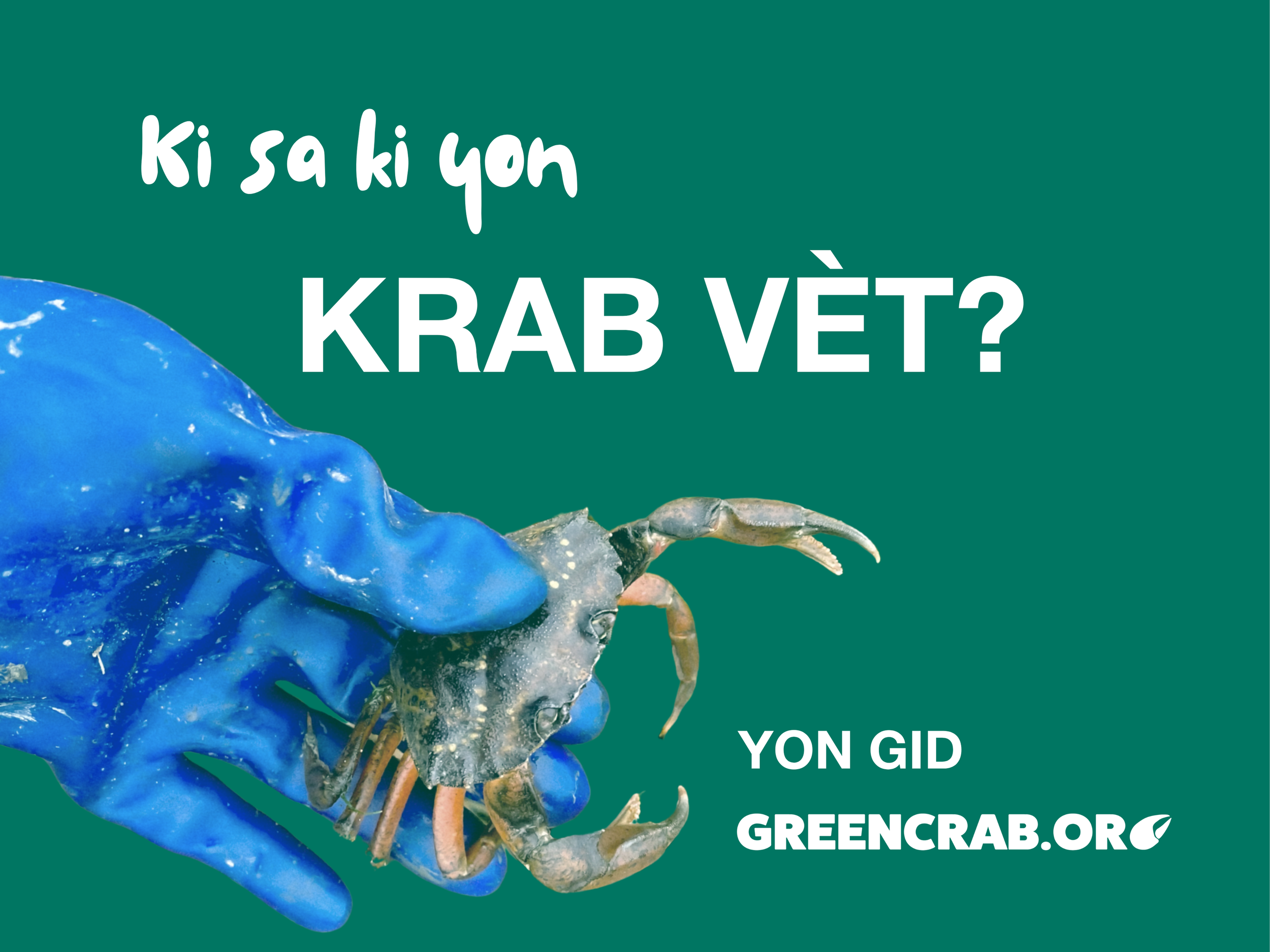
Devlope ak sibvansyon de Narragansett Bay Estuaries Program an kolaborasyon ak Crab Class, Movement Education Outdoors, ad Captain Jason Jarvis. Tradiksyon pa MIR Associates.
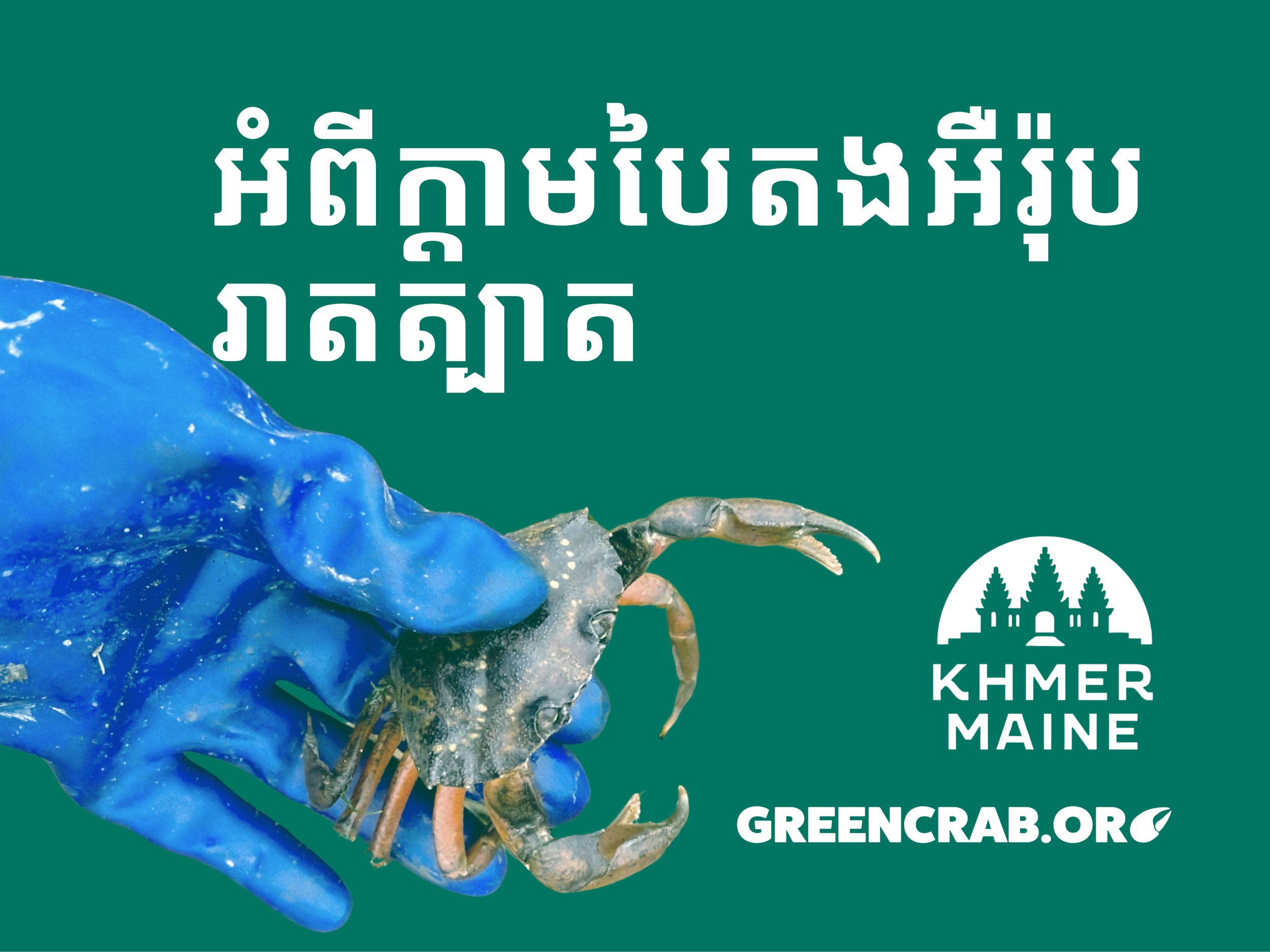
បង្កើតឡើងដោយមានការផ្តល់មូលនិធិពី Narragansett Bay Estuaries Program ដោយសហការជាមួយ GreenCrab.org's Crab Class, Movement Education Outdoors និង Captain Jason Jarvis.
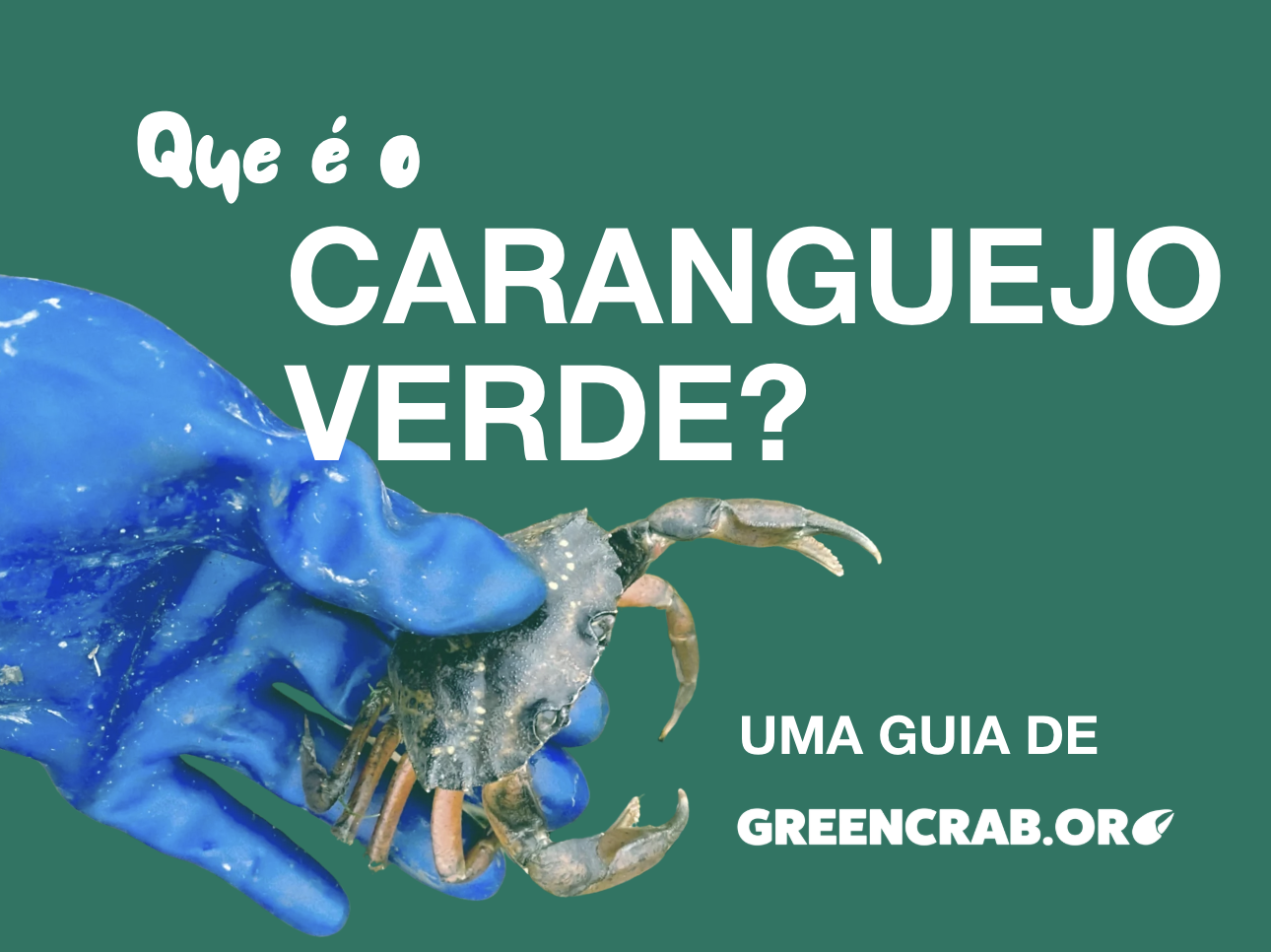
Feito em colaboração com Movement Education Outdoors, Capitão Jason Jarvis, e Khmer Maine com o apoio do Narragansett Bay Estuary Program. Traduzido por Ally Arguello.
More Resources

Learn about how RI harvester Jason Jarvis became a green crab harvester and some of the basics of entering the fishery

Researcher Jimmy Elliott explores the efficacy of various green crab traps on the market

Researcher Jimmy Elliott reviews research on the most effective green crab baits
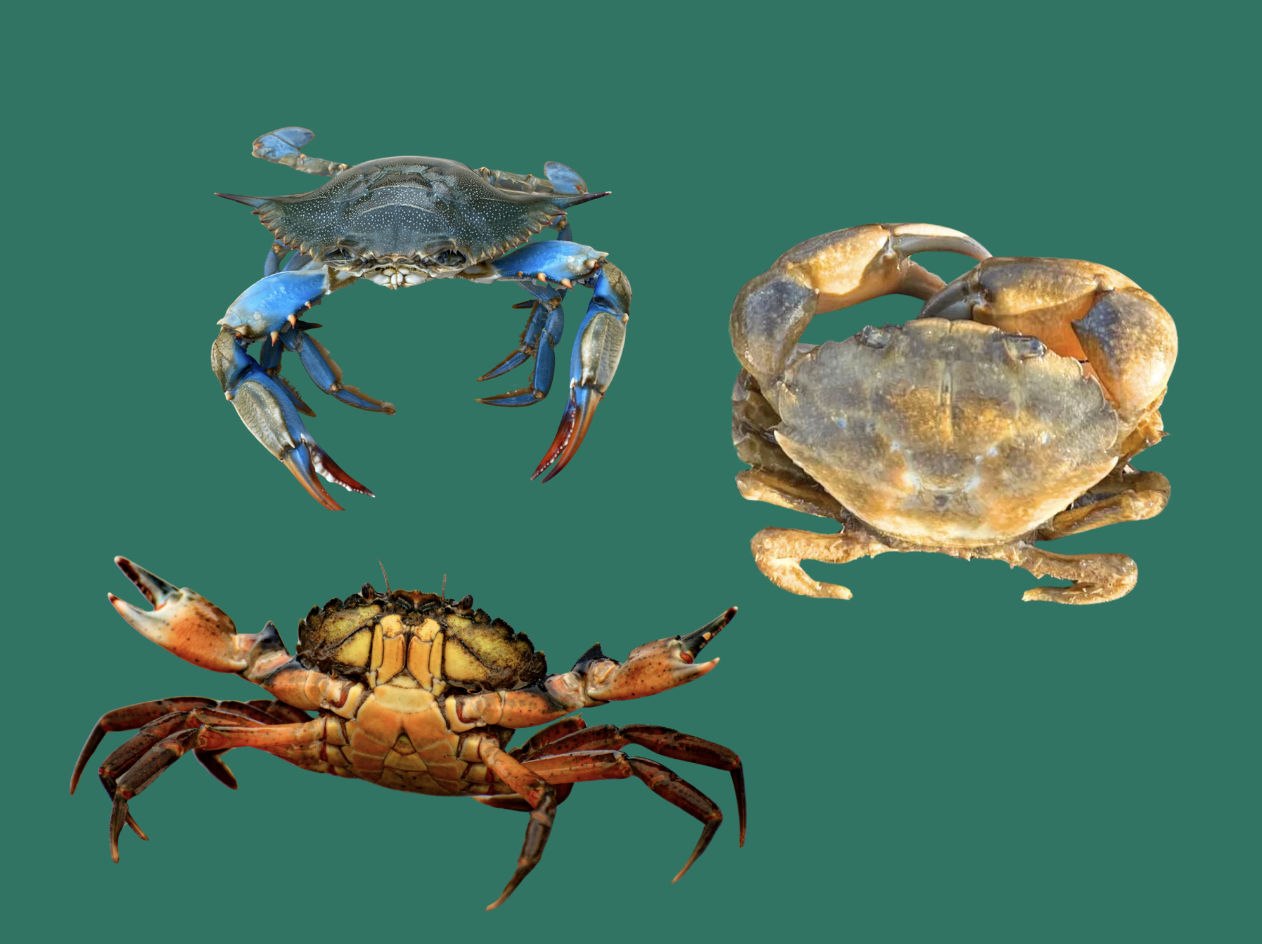
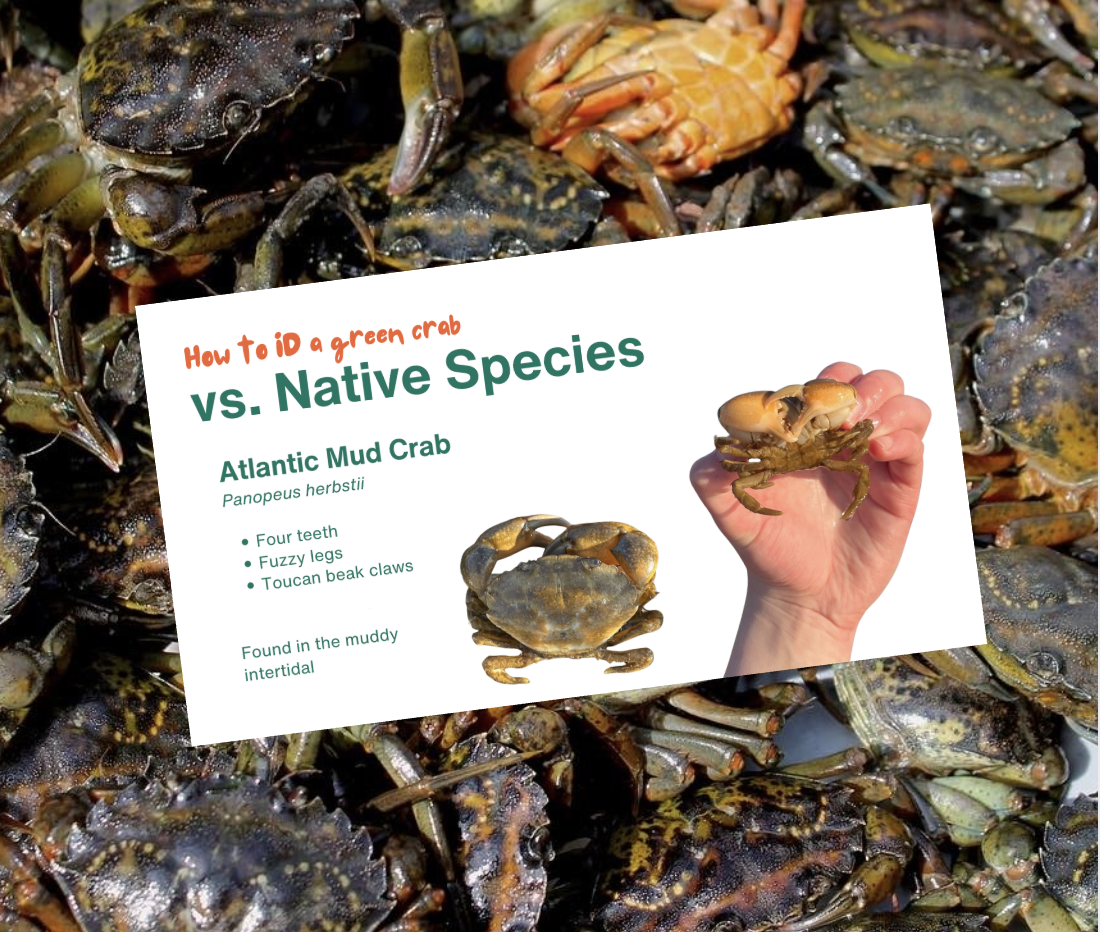
Learn how to ID green crabs vs. other crab species commonly found in Southern New England
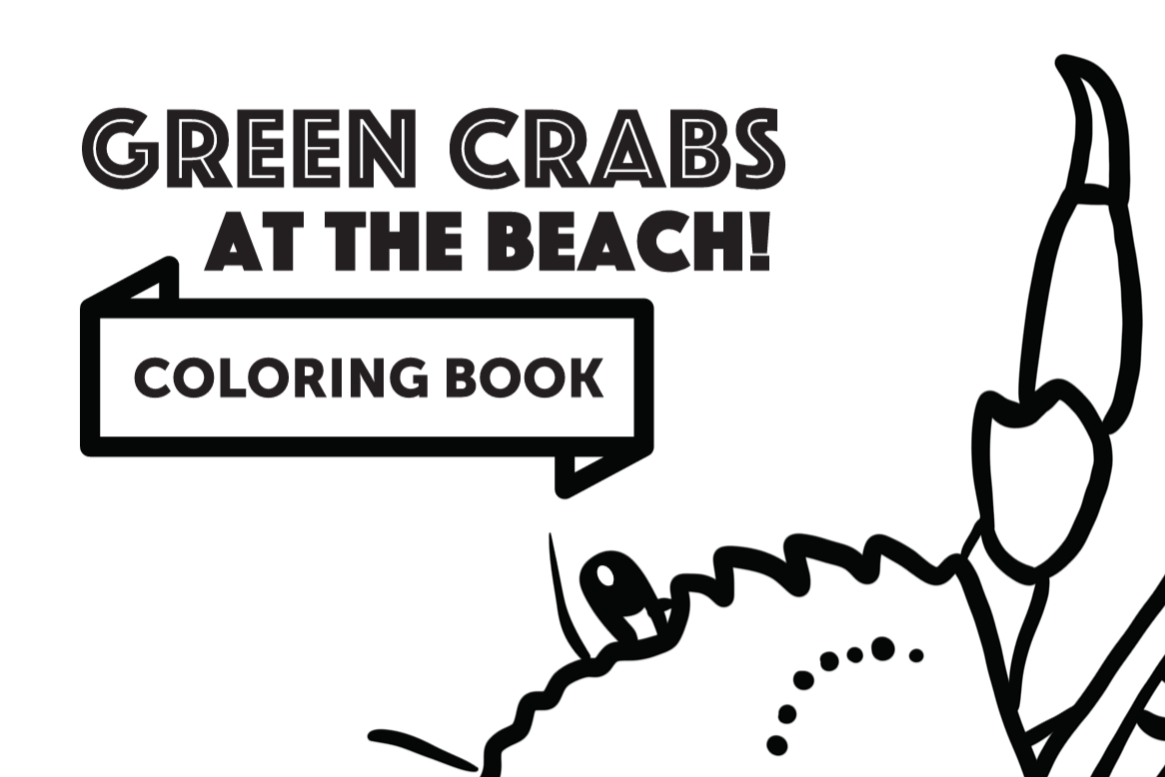
Designed by Eileen Riestra of Depict Brands in collaboration with GreenCrab.org and artist Carolyn Lewenberg
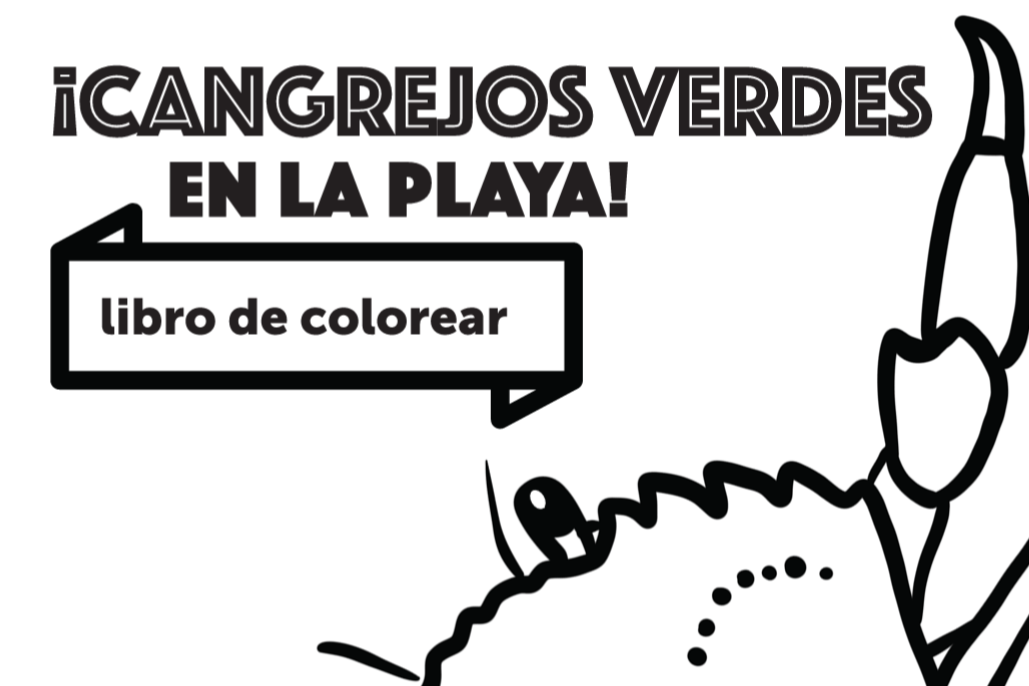
Este libro para colorear fue creado la diseñadora Eileen Riestra de Depict Brands y Mary Parks de greencrab.org en asociación con la artista Carolyn Lewenberg
Activities
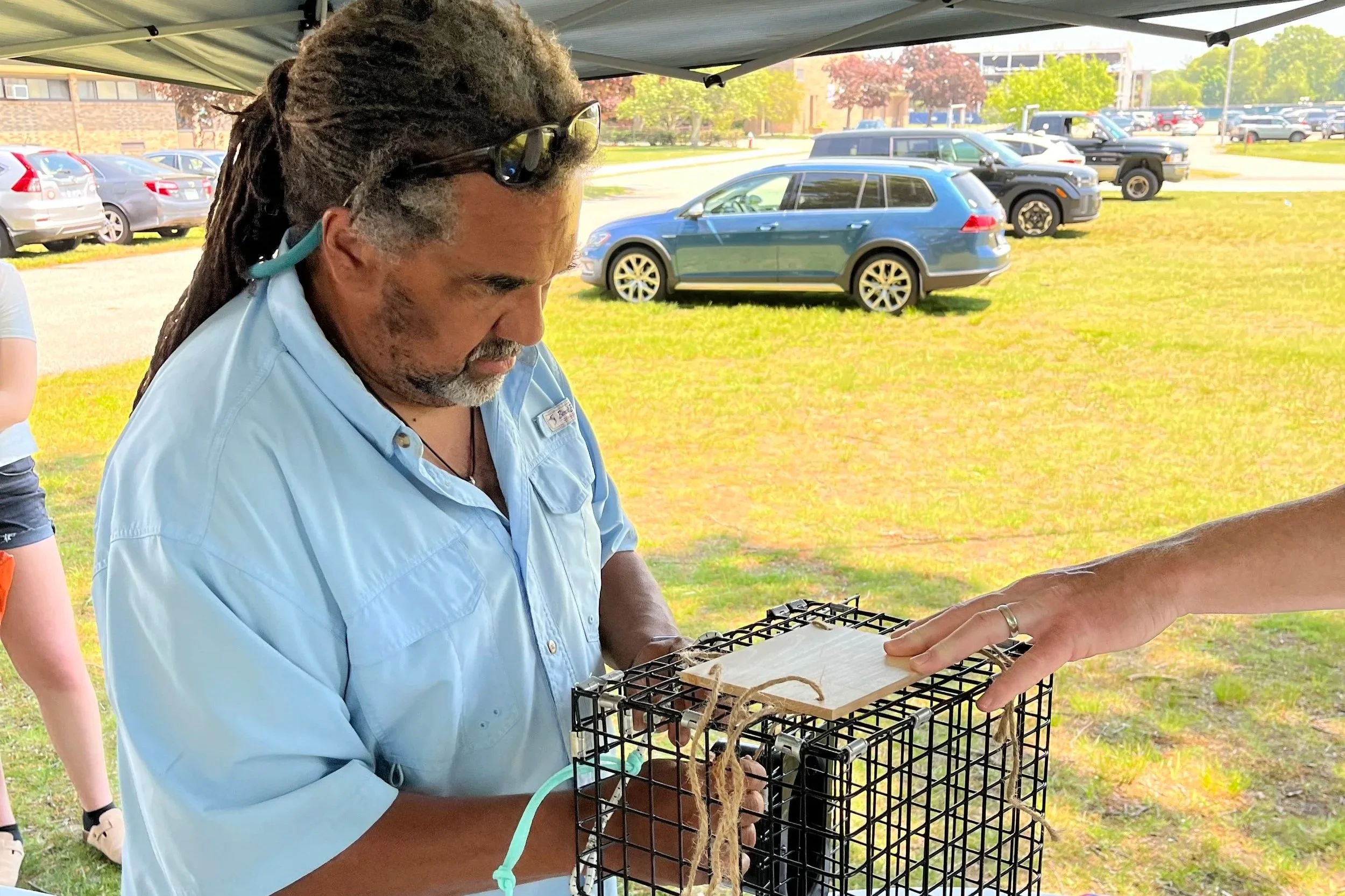
Learn more about ghost gear and how constructing a ghost panel on your trap can prevent accidental capture of native species
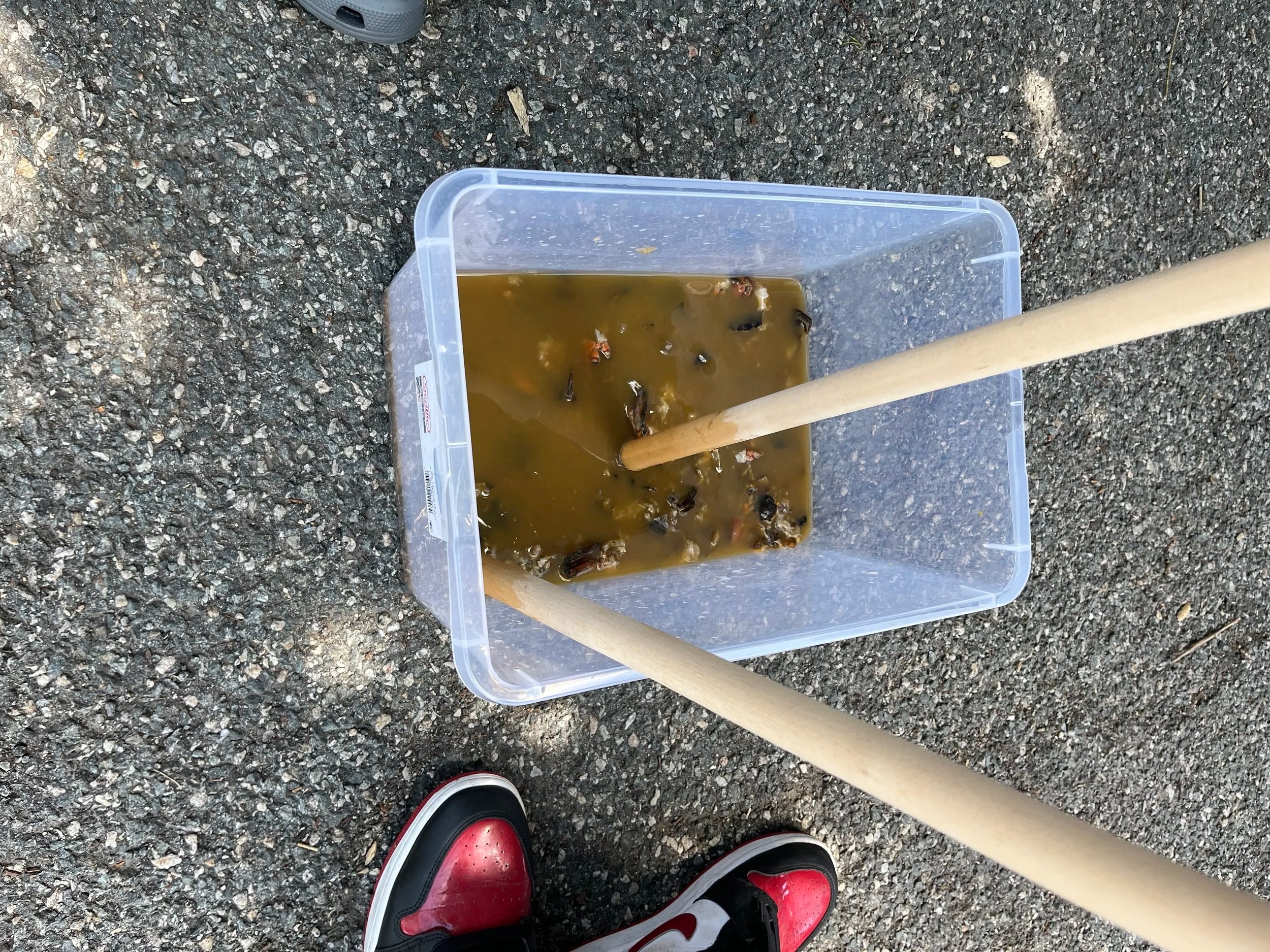
Recipe adapted from Roger Warner’s method, testing and development by Woods End Laboratories, Mount Vernon, Maine
Receta creada por Roger Warner, desarrollada por Woods End Laboratories, Mount Vernon, Maine
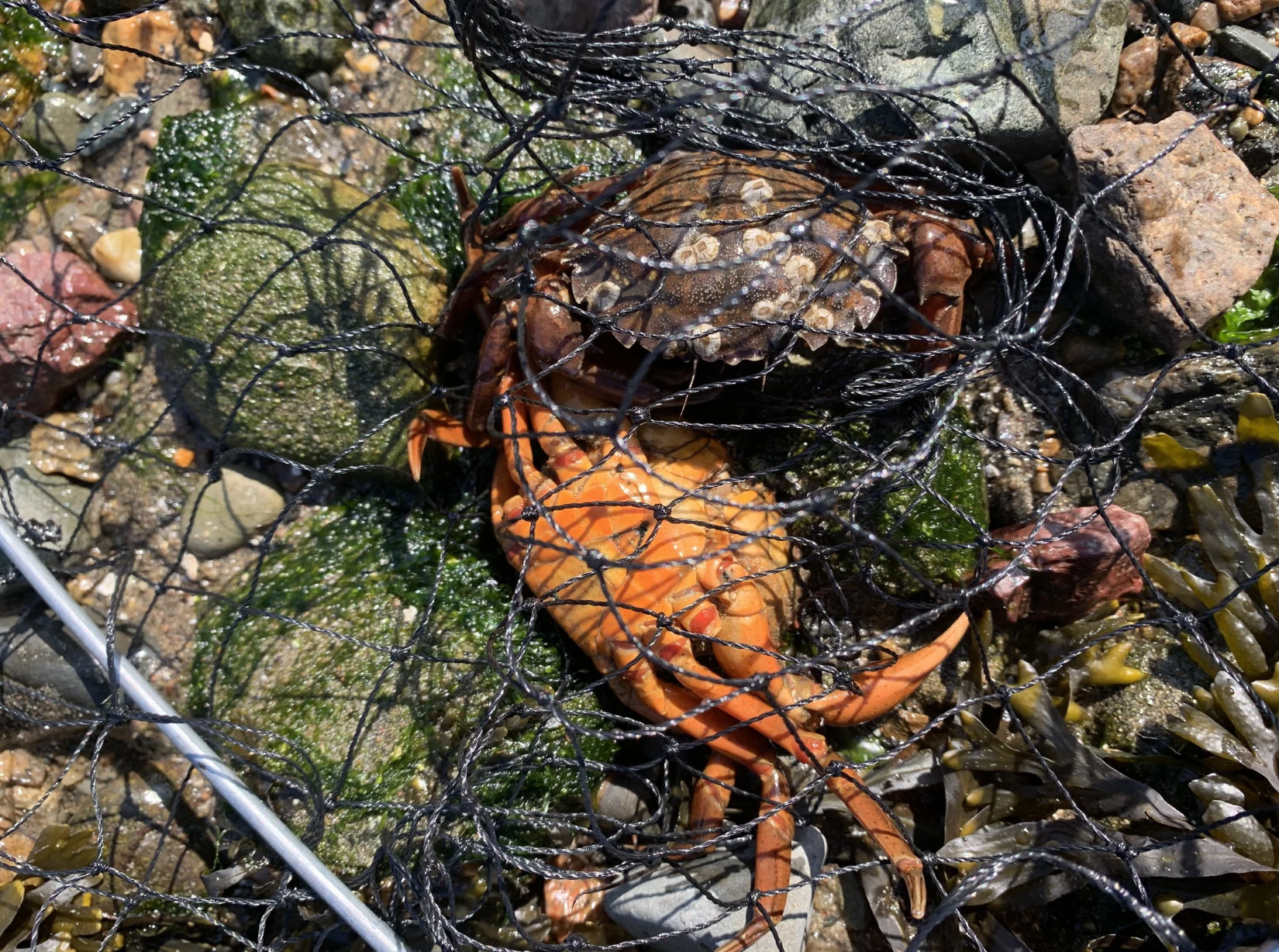
The basics of how to forage or trap green crabs (by hand and using a trap)
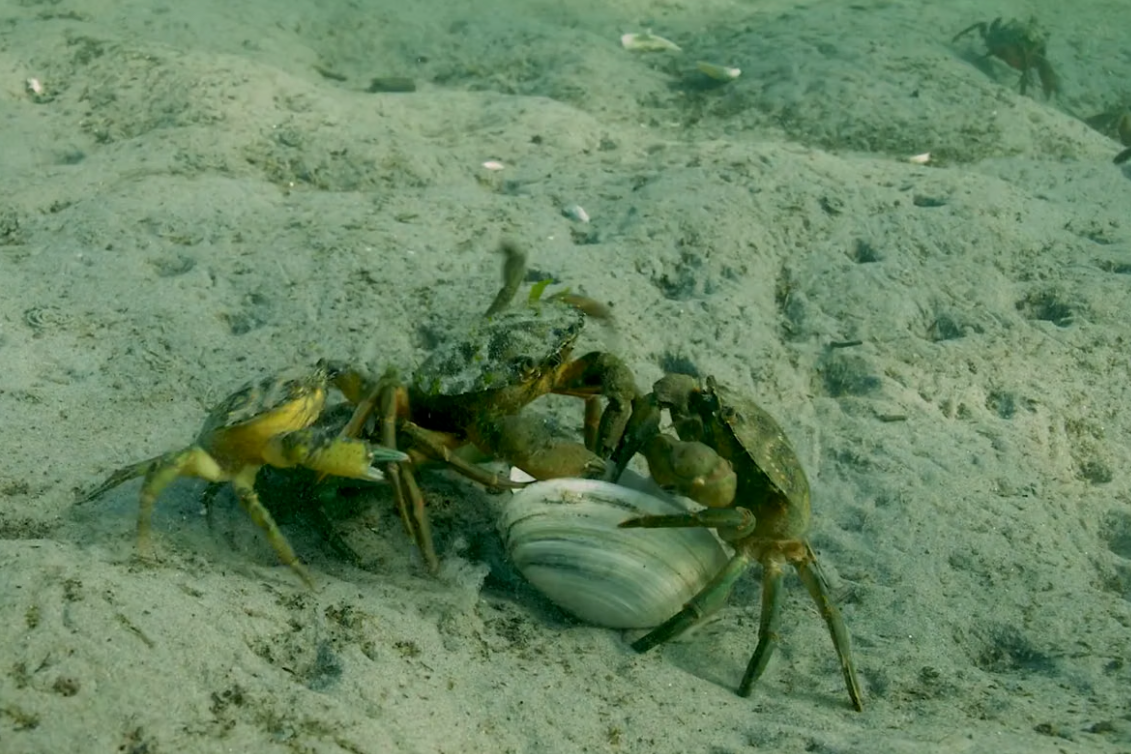
Sandy Cannon-Brown’s Documentary breaks down green crab’s impact on native shellfish and the movement to put green crabs on menus
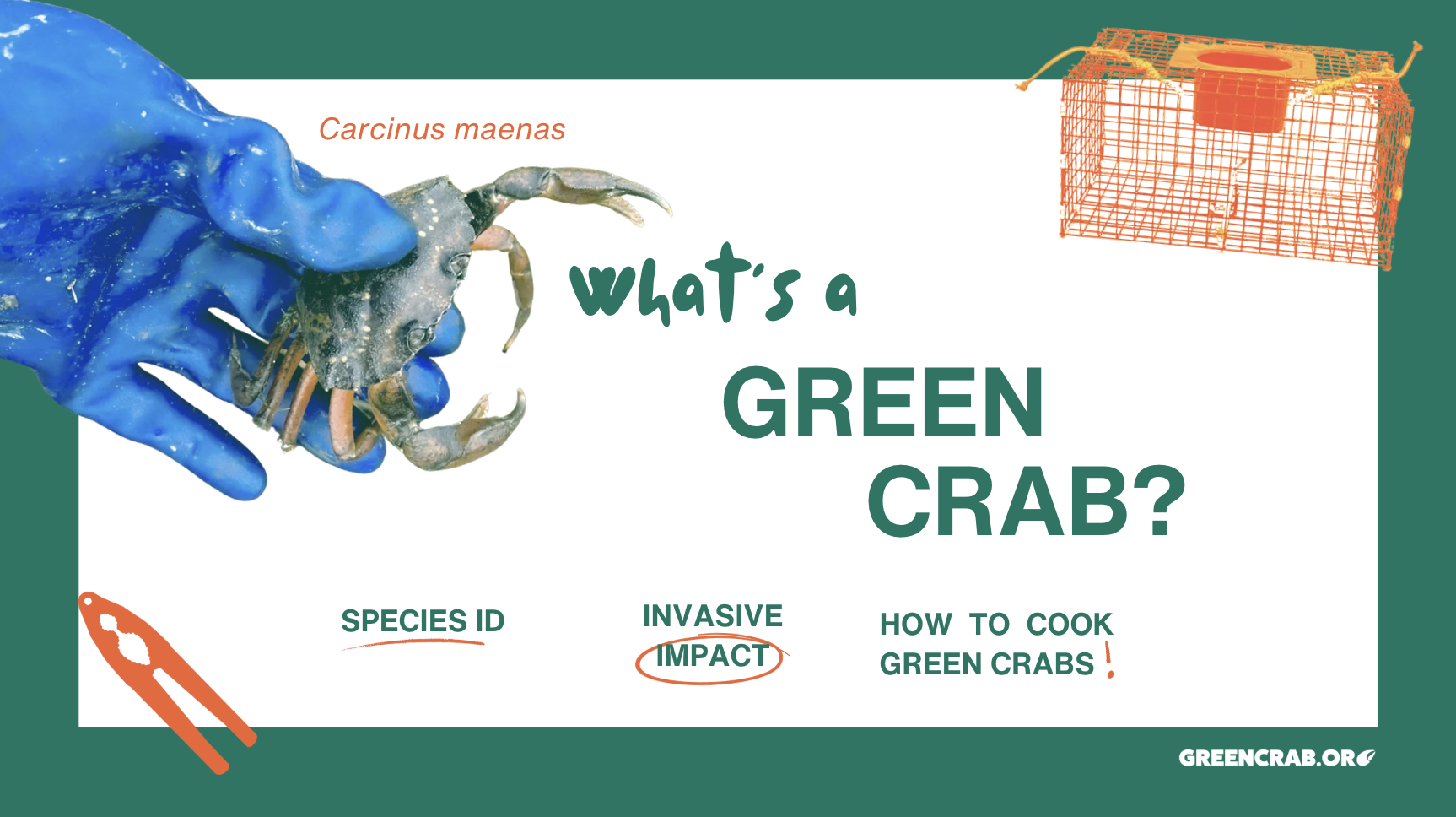
This presentation created in Canva mirrors our resource guide and breaks down green crabs’ ecological impact, ID, and culinary applications
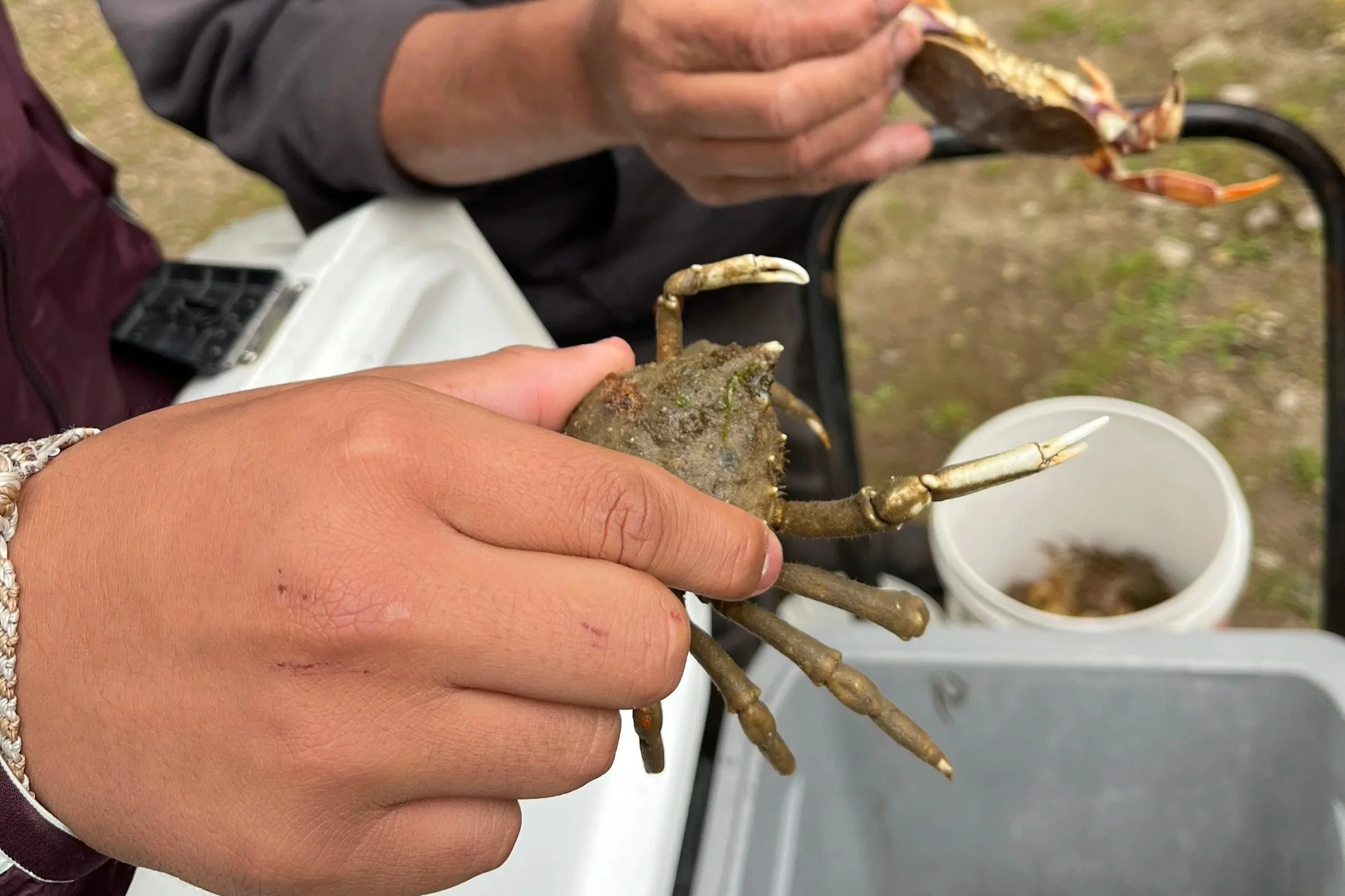
Sort native from invasive species from a whole bushel of crabs like a crabber while practicing species ID
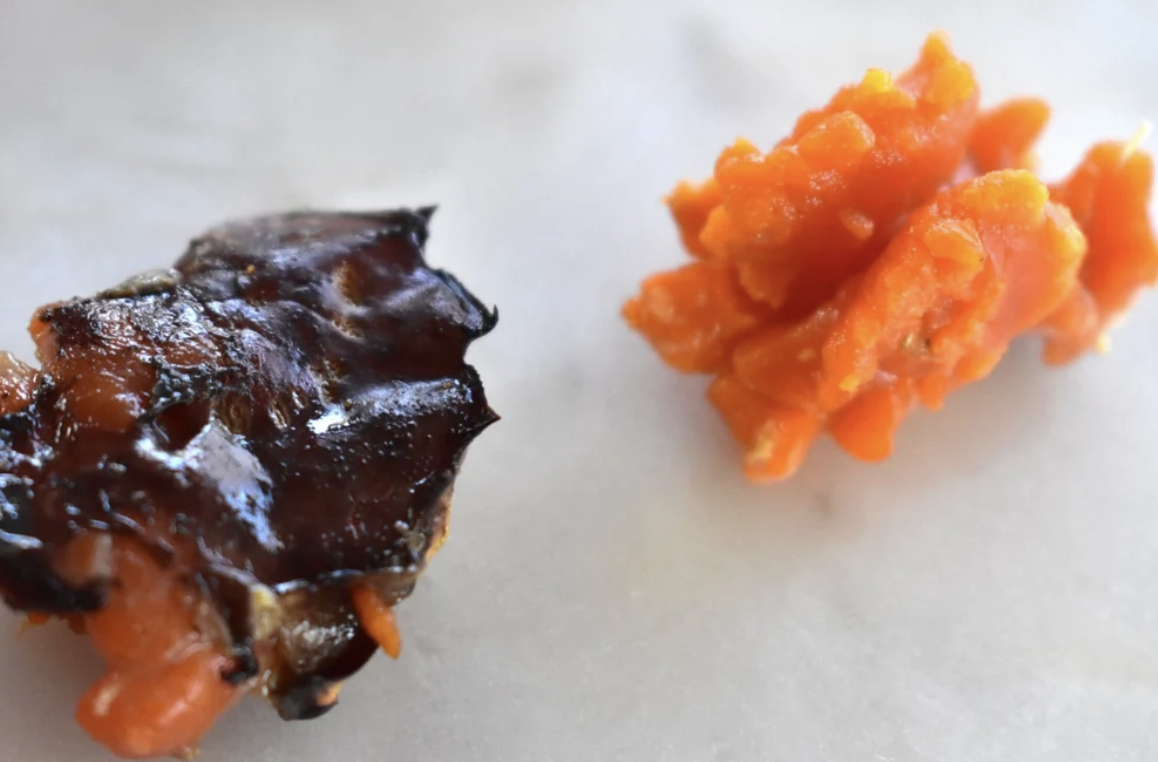
Shuck Roe: 45 minutes
Practice identifying male vs. female green crabs before shucking roe (the culinary word for crab eggs)
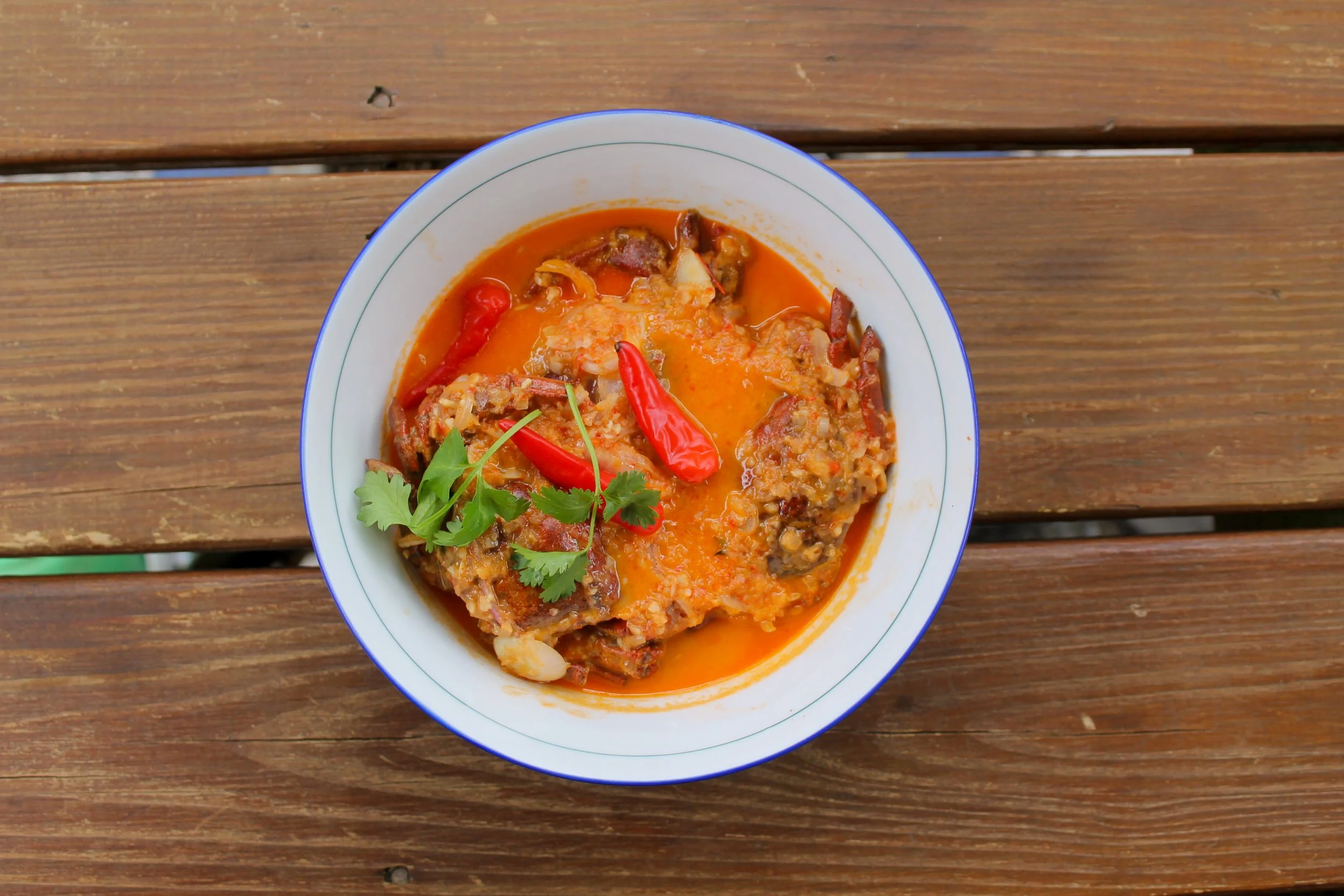
Salted Crab Coconut Curry
 by Sokhuon Ou in collaboration with Khmer Maine
Explore Recipes
Crab Class: Marine Science Meets Culinary Education
In the 2025 & 2026 School Year, GreenCrab.org brought Crab Class to students across the Narragansett Bay Watershed. Programming Included:
Invasive species ID & ecology
Hands-on cooking shucking and sorting demonstrations
Culinary demonstrations with local chefs
Cafeteria staff instruction and product donation for green grab lunch specials
Coastline foraging or monitoring activities in coordination with citizen science efforts
Interested in bringing Crab Class to your school? Email maryparks@greencrab.org to sign up or ask questions.
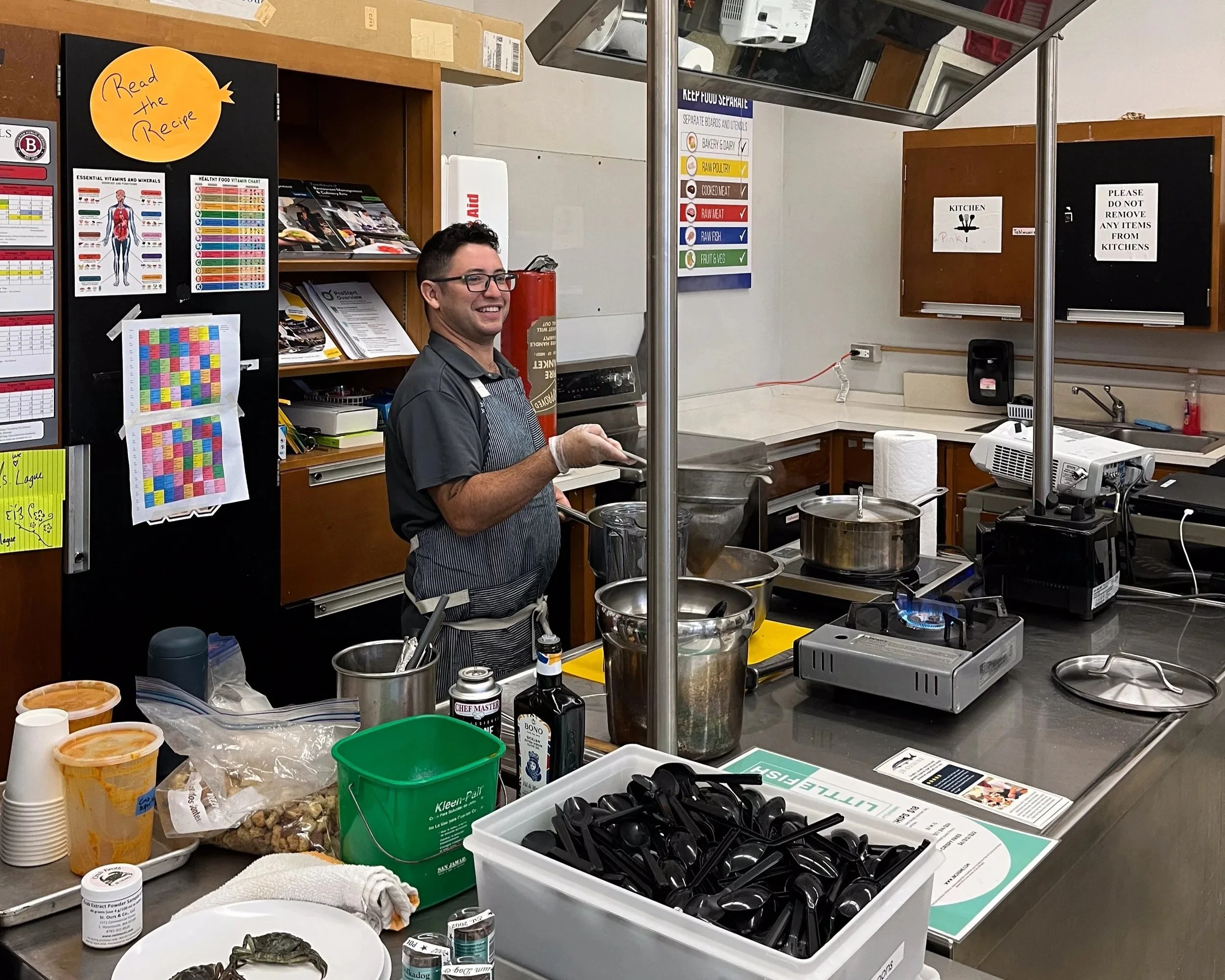
Crab Class x Brockton High School
On October 23rd, Crab Class kicked off with Brockton High School’s Culinary Department. Josh Berman of Little Fish RI taught students how to make Green Crab Bisque with Achiote and Guajillo while sharing his culinary journey and why he focuses on underutilized seafood.
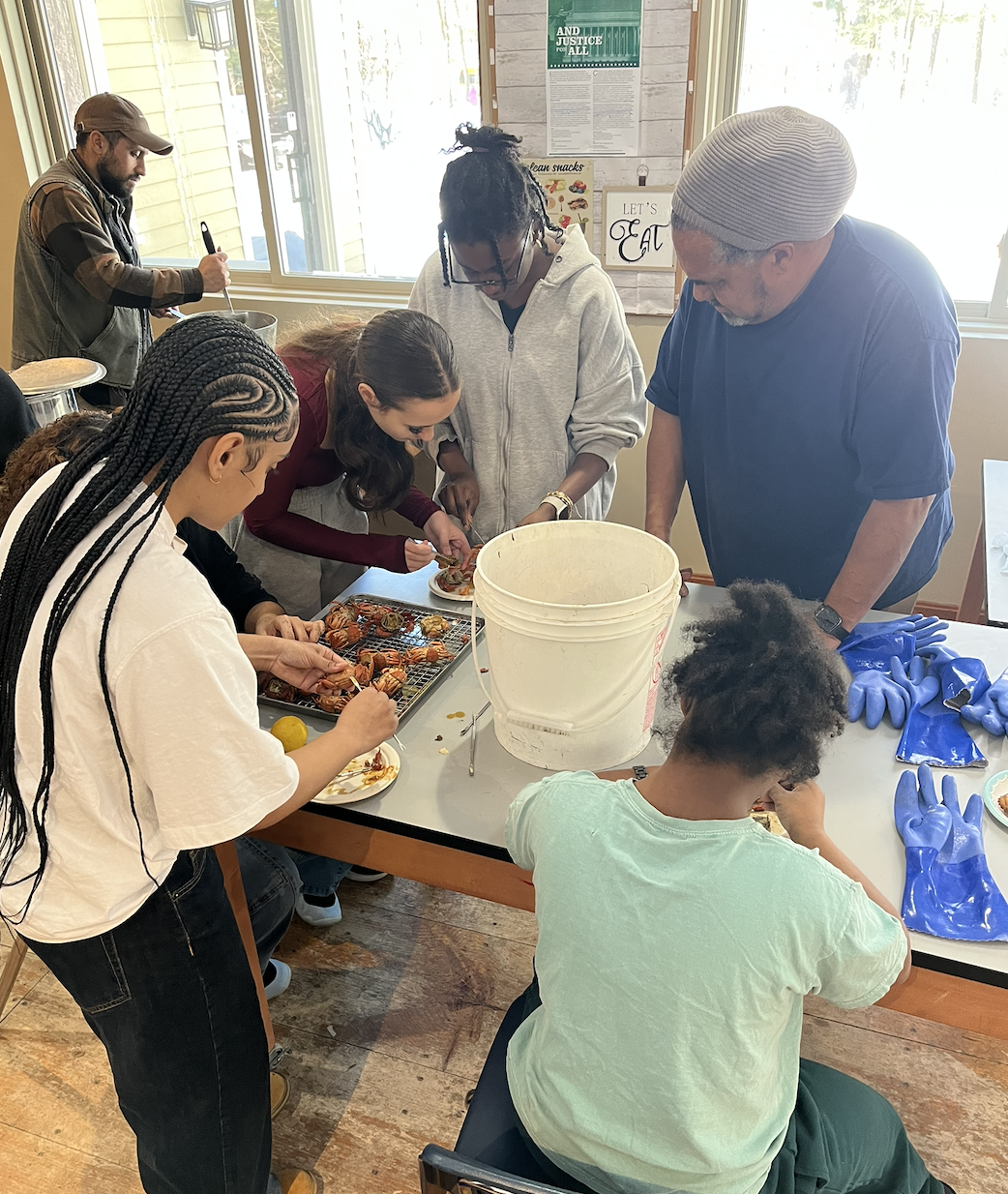
Crab Class x The Greene School
On January 29th, Captain Jason Jarvis and Chef Frank Salustri of Quonnie Fish Co. showed students how to shuck native species and invasive green crab. Captain Jarvis also dove into green crab’s invasive impact from a harvester’s perspective alongside Executive Director Mary Parks. To wrap up the day, Chef Salustri served a green crab bisque for lunch at the school.
Crab Class x Nuestro Mundo
On February 13th, Executive Director Mary Parks explored green crab’s invasive impact on ecosystems, fisheries, and communities in the Narragansett Bay Watershed through an interactive presentation. This lesson plan also explored how chefs in Rhode Island cook with green crabs. While Mary brought some crabs in for viewing, this programming was touch-free to accommodate allergies.
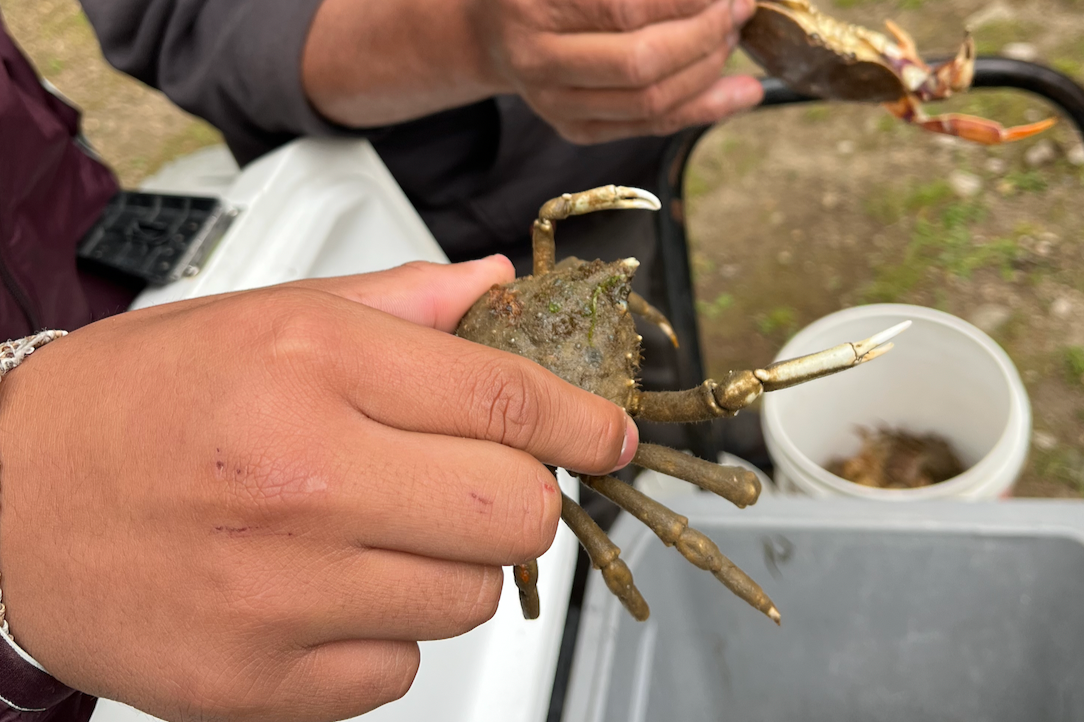
Crab Class x The Greene School
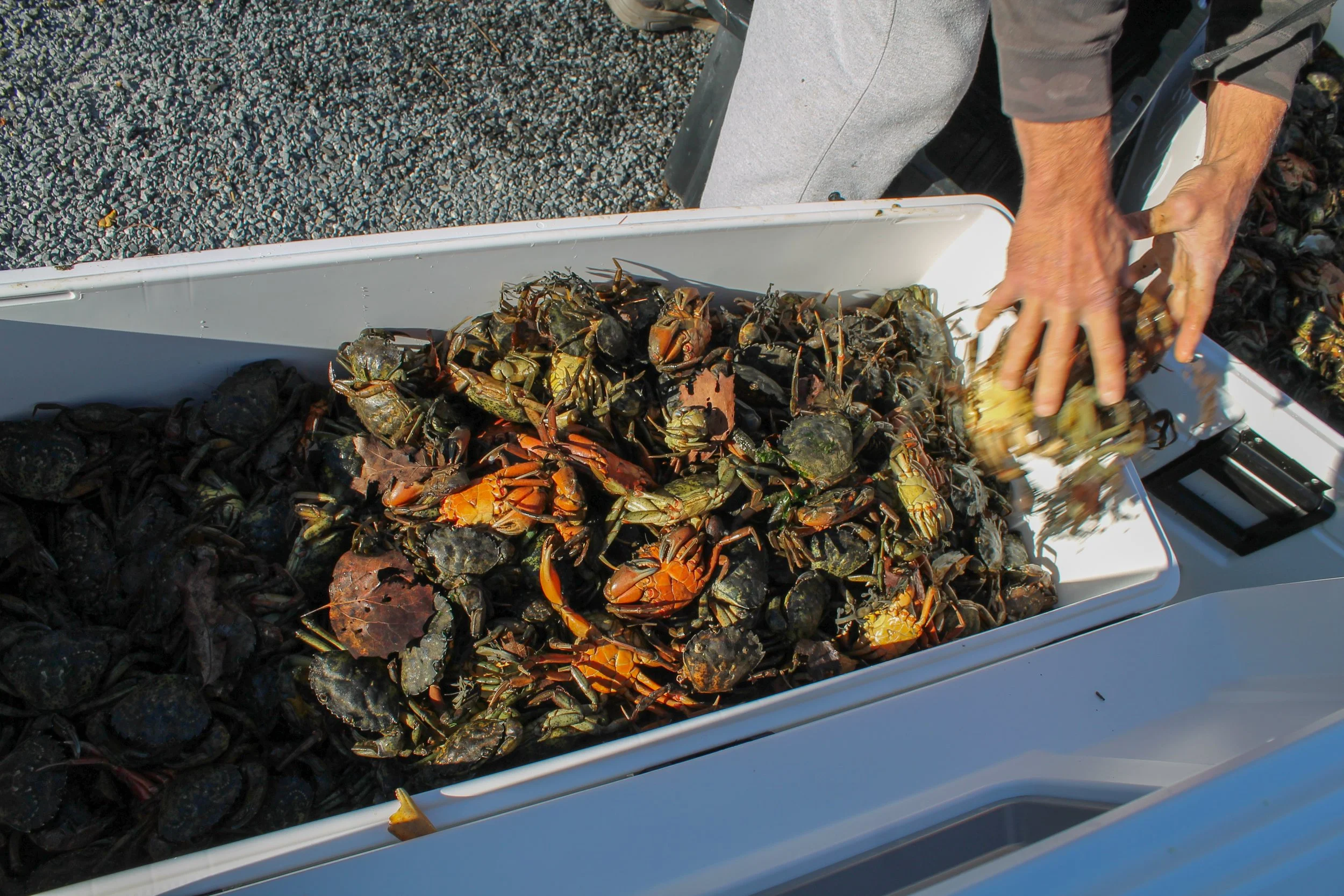
On May 8th, Captain Jason Jarvis and Mary Parks returned to the Greene School to collaborate with the Environmental Science Department. Students learned how to identify native and invasive species while sorting through a whole bushel of crabs caught by Captain Jarvis. This bushel contained invasive green crabs and shore crabs alongside native spider crabs, sand crabs, and Jonah crabs!
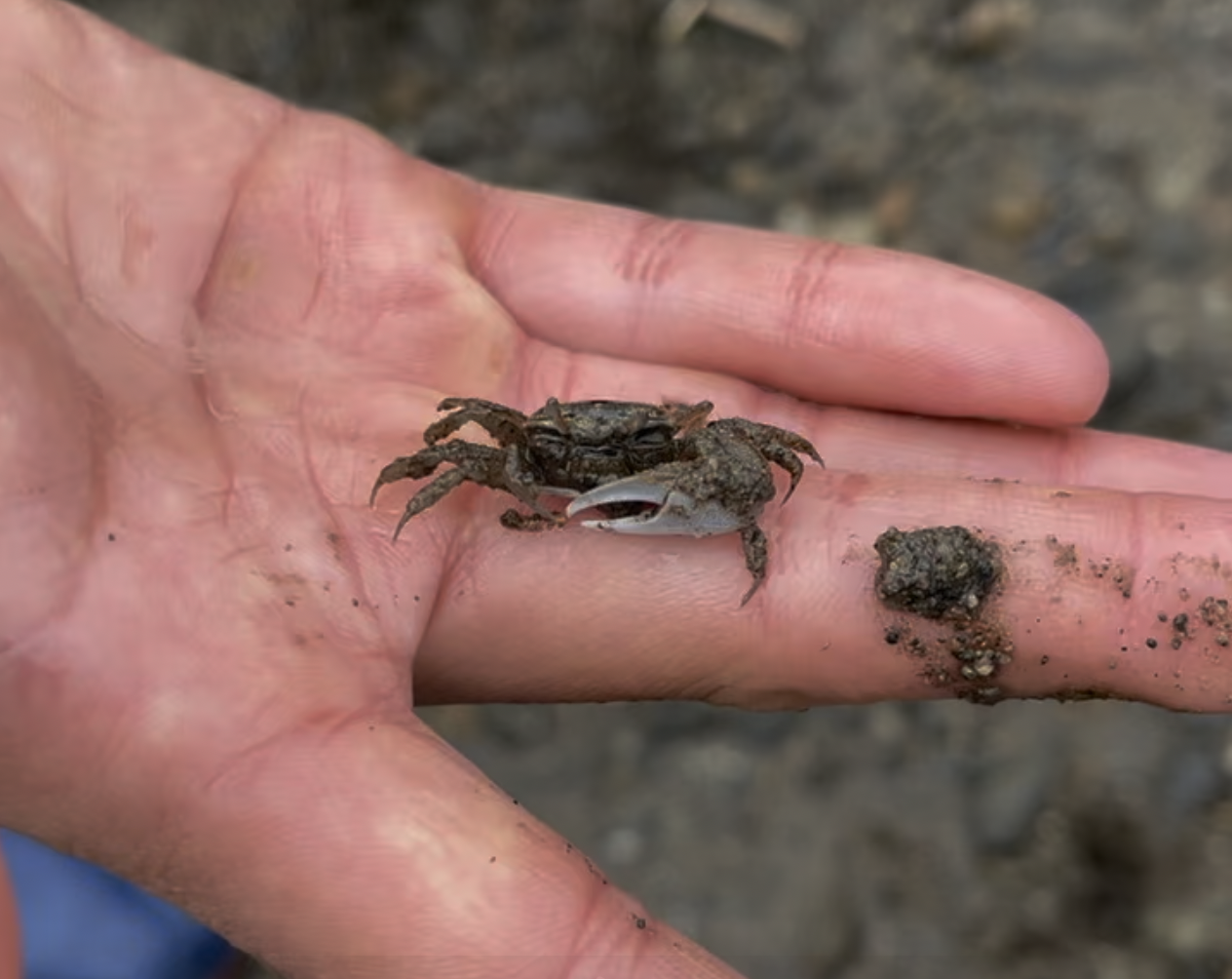
Crab Class x Sophia Academy + Movement Education Outdoors
On May 15th, GreenCrab.org teamed up with Movement Education Outdoors for a day of in-field learning at Gull Cove in Portsmouth, RI. Sophia Academy students collected crabs and learned about green crabs’ relationship with native species such as fiddler crabs (pictured). Mary Parks wrapped up each lesson with a tasting of green crab butter popcorn.
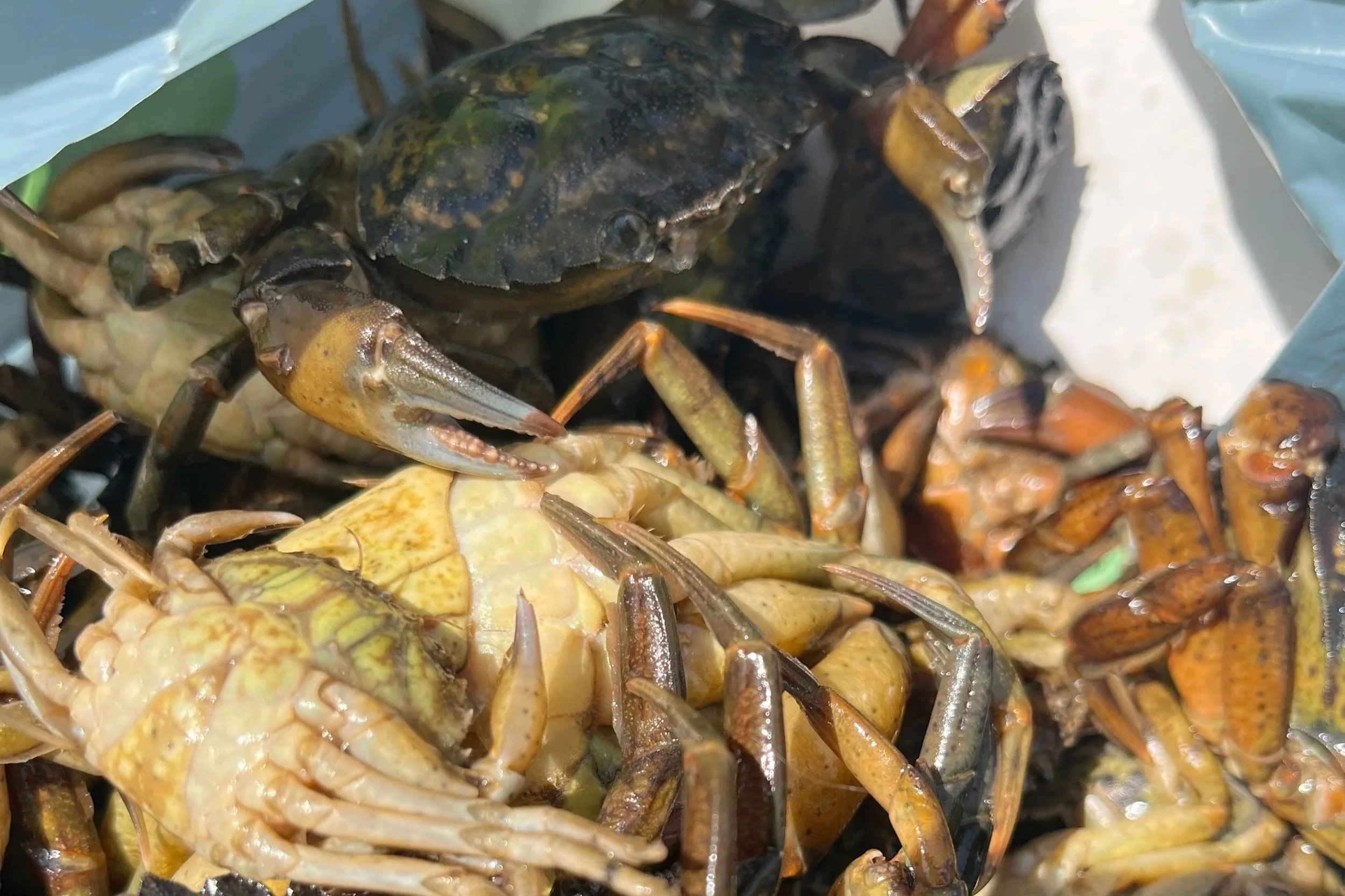
Crab Class x Portsmouth High School
On May 18th, students learned how to ID native vs. invasive crab species and then tested their knowledge by sorting through a bushel of crabs. After sorting, Mary Parks demonstrated how to make Crab and Corn Chowder with Old Bay oyster crackers.
Crab Class x Warwick High School
On May 19th, Captain Jason Jarvis prepped students on how to trap green crabs. This included a ghost panel demonstration: a biodegradable panel required in RI that prevents traps from becoming ghost gear if lost. Mary Parks then demonstrated how to make Crab and Corn Chowder again with Old Bay Oyster Crackers.
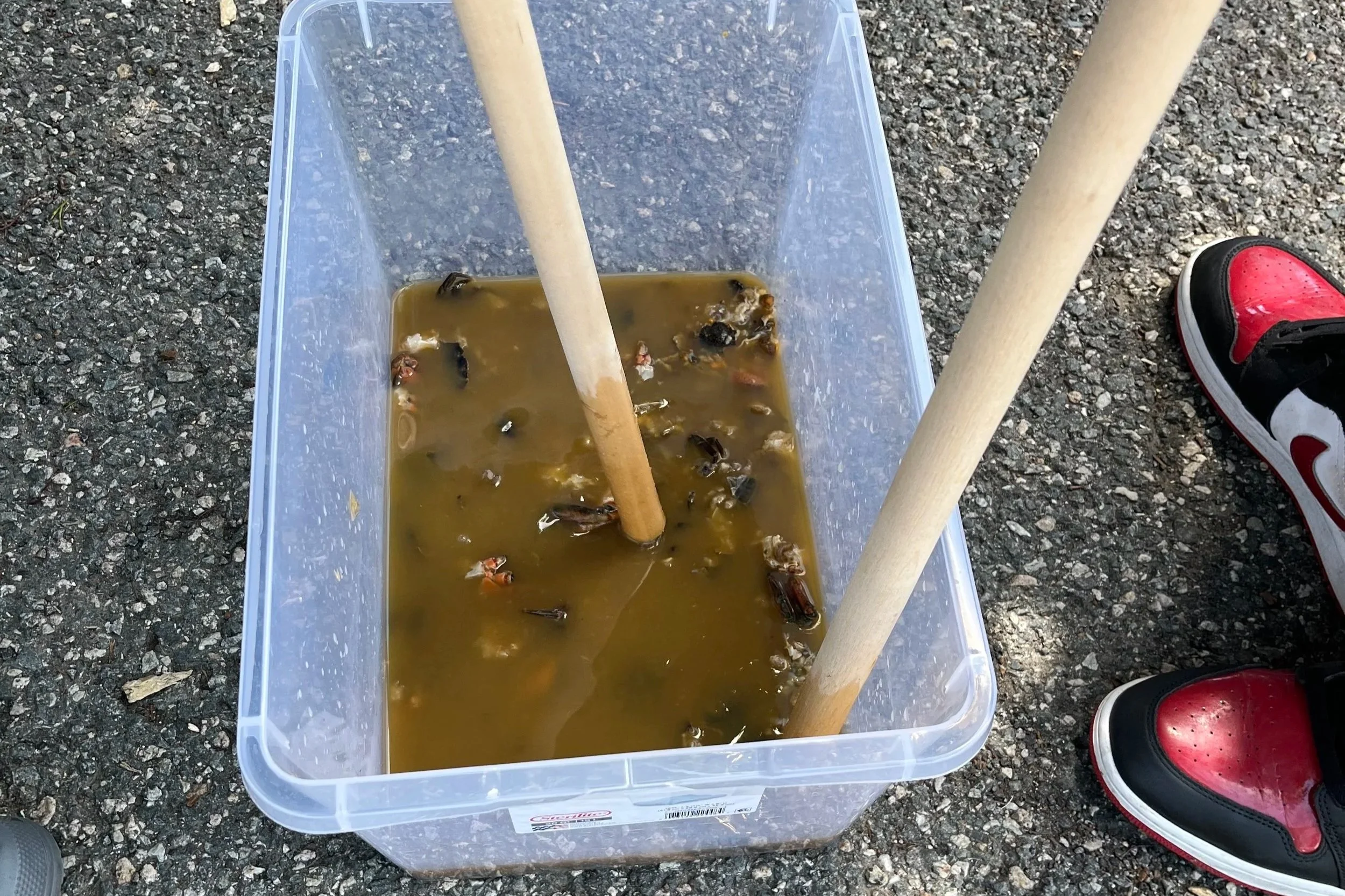
Crab Class x Nuestro Mundo
On June 8th, Mary Parks returned to Nuestro Mundo for a hands-on demonstration in the garden! Students learned how to make their own liquid fertilizer from green crabs and kelp. Students crushed green crabs with sticks and measured and adjusted pH.

Made possible with funding from the Narragansett Bay Estuaries Program